


The best outfit calendar app is the one that helps you plan looks ahead without turning your wardrobe into admin work. If you only need a long-term manual closet archive, Stylebook is still a serious option. If you want visual planning and closet remixing, Whering and Fits are strong. If you want a smarter decision before you schedule the look, Beauty AI adds the missing feedback layer: it helps you check whether the outfit is actually strong enough for work, travel, a date, or an event.
This guide is about calendar and planning intent specifically. If you want a broader outfit planner app, start there. If you want generated outfit ideas, compare an outfit generator app. If you want feedback before saving a look, use an AI stylist app workflow.
What an outfit calendar app should do
An outfit calendar app should answer two practical questions: what did I wear, and what should I wear next? A weak calendar only stores a look on a date. A strong calendar connects saved outfits, wardrobe items, weather, events, travel plans, repeat history, and outfit quality.
Look for these core capabilities:
- Plan by date: assign outfits to future days, events, or trips.
- Track outfit history: see what you wore and when.
- Control repeats: avoid repeating too often or intentionally reuse winners.
- Handle events: plan weddings, dinners, office days, conferences, and vacations.
- Support packing: turn a week of outfits into a smaller suitcase.
- Improve the look: make sure the outfit is worth putting on the calendar.
The final point is where many calendar apps are weakest. They help you schedule a look, but they do not always help you make the look better.
Calendar vs lookbook vs wardrobe tracker
| Tool type | Main job | Best for | Limitation |
|---|---|---|---|
| Outfit calendar | Plan looks by date, event, or trip. | Weekly planning, repeats, packing, event season. | Can become manual if it does not help choose better outfits. |
| Lookbook | Store visual outfit inspiration or saved outfits. | Remembering combinations and style direction. | Often passive. It may not drive future decisions. |
| Wardrobe tracker | Log items and outfit wear history. | Cost-per-wear, repeat wear, closet analytics. | Tracking alone does not always improve daily dressing. |
| AI outfit workflow | Suggest, rate, refine, and then plan outfits. | People who want fewer weak outfits on the calendar. | Works best when you give it clear outfit or wardrobe inputs. |
Best outfit calendar apps at a glance
| App | Best for | Calendar strength | Watch out for |
|---|---|---|---|
| Beauty AI | AI feedback before saving or planning a look | Best as the decision layer before calendar lock-in | Not the most traditional calendar-first closet archive |
| Whering | Visual closet planning and remixing outfits | Strong for planning looks from a digital wardrobe | Less direct if you want deeper AI critique |
| Stylebook | Manual closet calendar, stats, and long-term wardrobe history | Very strong for calendar and archive habits | More hands-on than newer AI-assisted workflows |
| Fits | Fashion-forward closet planning and outfit creation | Useful if you like visual planning and a styled interface | May still require setup before it becomes useful |
| Acloset | Closet digitization and lighter outfit automation | Good for users who want closet-first suggestions | Calendar depth may not be the main reason to choose it |
| GetWardrobe | Traditional digital wardrobe and outfit organization | Good for organizing and planning from saved items | Less compelling if you want AI-first feedback |
How we evaluated outfit calendar apps
For this category, the best app is not simply the one with a calendar screen. We used a practical planning rubric:
- Planning clarity: can you quickly assign looks to dates or situations?
- Wardrobe connection: does the calendar connect to actual clothes?
- Repeat control: can you see what you wore and avoid unwanted repetition?
- Trip usefulness: can it help plan a suitcase or multi-day capsule?
- Decision quality: does it help improve the outfit before scheduling it?
- Setup friction: does the app become useful before you catalog everything?
- Paid-user fit: does it save time repeatedly enough to justify staying with it?
Detailed app reviews
1. Beauty AI - best for outfit feedback before planning

Best for: people who want to improve a look before putting it into a weekly plan, travel plan, or event outfit shortlist.
Why it works: Calendar apps often assume the outfit is already good. Beauty AI helps with the step before that: checking whether the outfit is balanced, suitable, flattering, practical, and worth saving. That matters when you are planning for work, travel, a date, or an event where the cost of a weak outfit is higher.
Main limitation: If you want a classic long-term calendar archive with years of manual outfit logging, a dedicated closet calendar may feel more native.
Paid-user fit: Strong when you want repeated decision support. The value is not only remembering looks, but reducing the number of weak looks that make it into your plan.
2. Whering - best for visual closet planning
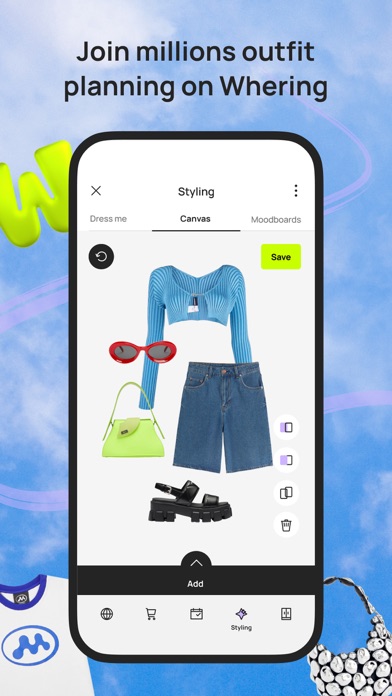
Best for: users who want to digitize a wardrobe, remix outfits visually, and plan from saved clothing items.
Why it works: Whering is built around visual wardrobe interaction. That makes it good for people who enjoy seeing pieces, creating combinations, and planning visually. It is especially useful when your closet is already photographed and you want to build looks from what you own.
Main limitation: It is more of a visual closet and planning environment than a deep AI outfit critique system. If you want the app to explain how to improve an outfit, you may want a feedback layer as well.
Paid-user fit: Good for users who will actually maintain the wardrobe and use visual planning regularly.
3. Stylebook - best for manual calendar power users
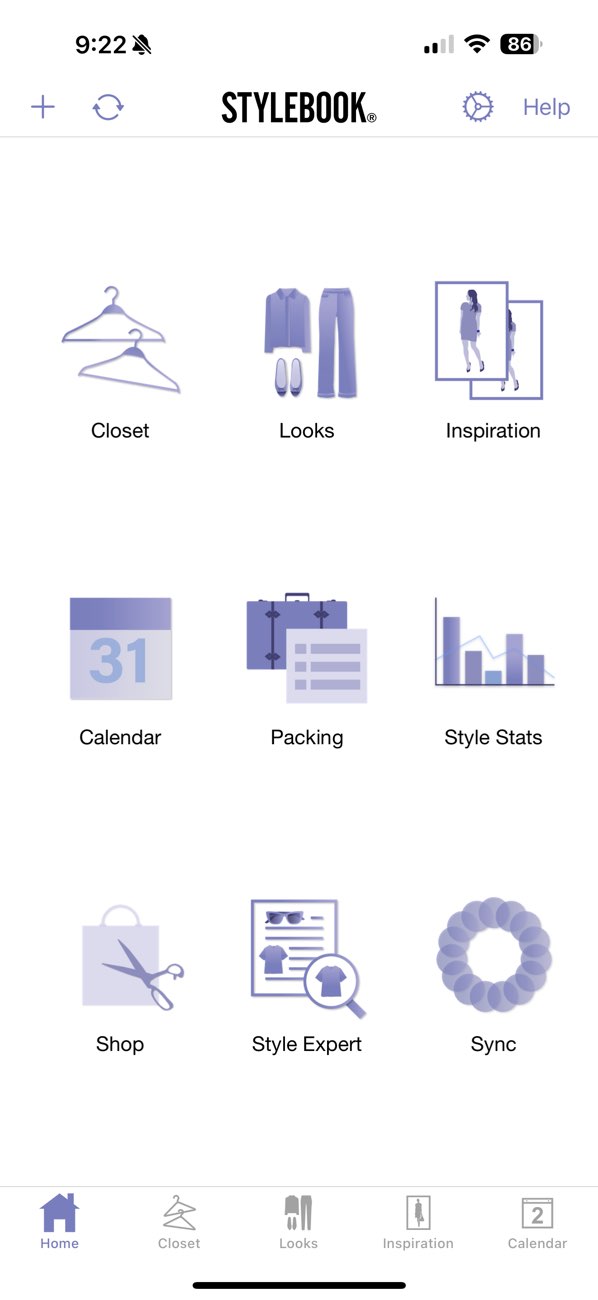
Best for: people who like detailed closet logging, outfit history, wardrobe stats, packing lists, and calendar-based planning.
Why it works: Stylebook has long been associated with manual wardrobe organization. It can be strong for users who enjoy maintaining a detailed closet archive and want an outfit history they control.
Main limitation: Manual systems only work if you keep maintaining them. If you want AI help, faster feedback, or less setup friction, Stylebook may feel more traditional.
Paid-user fit: Strong if you want a durable closet archive and do not mind a hands-on workflow.
4. Fits - best for fashion-forward outfit planning
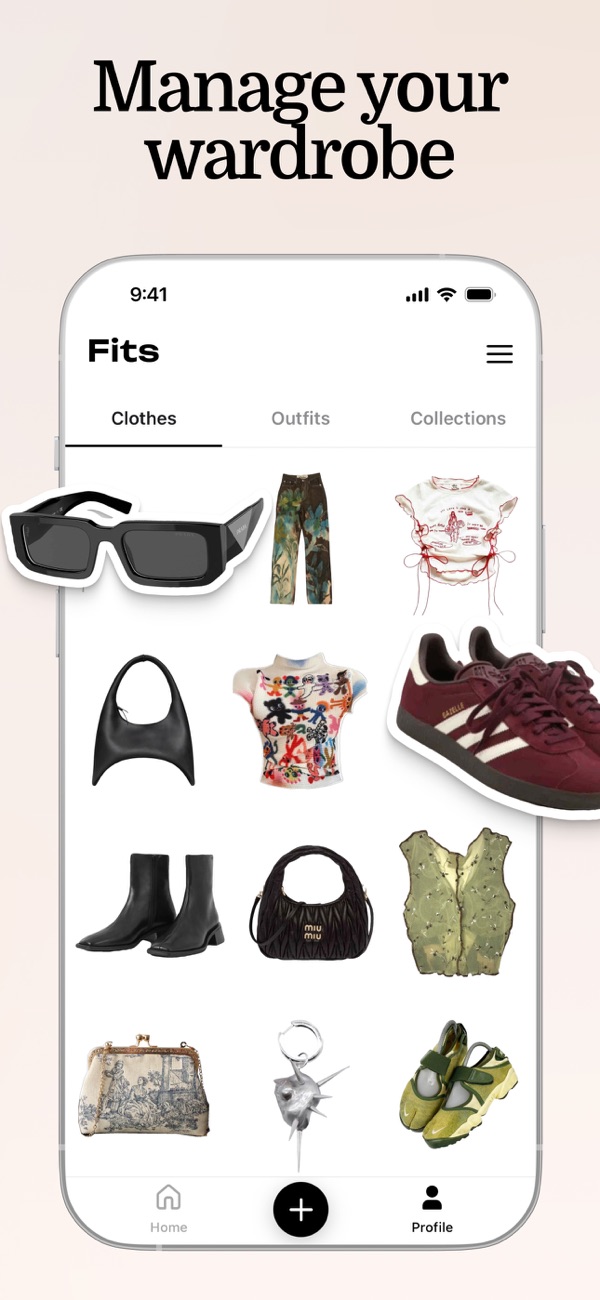
Best for: users who want a modern outfit creation and planning experience with a style-focused interface.
Why it works: Fits leans into the outfit maker and planner category with a visual, app-native feel. It can be appealing if you want the planning process to feel more like styling than spreadsheet management.
Main limitation: Like many wardrobe apps, it becomes more useful after setup. If you need instant feedback on a single outfit, an AI stylist workflow may get you to value faster.
Paid-user fit: Good for users who want a wardrobe app they will actively use, not just a passive calendar.
5. Acloset - best for closet-first automation
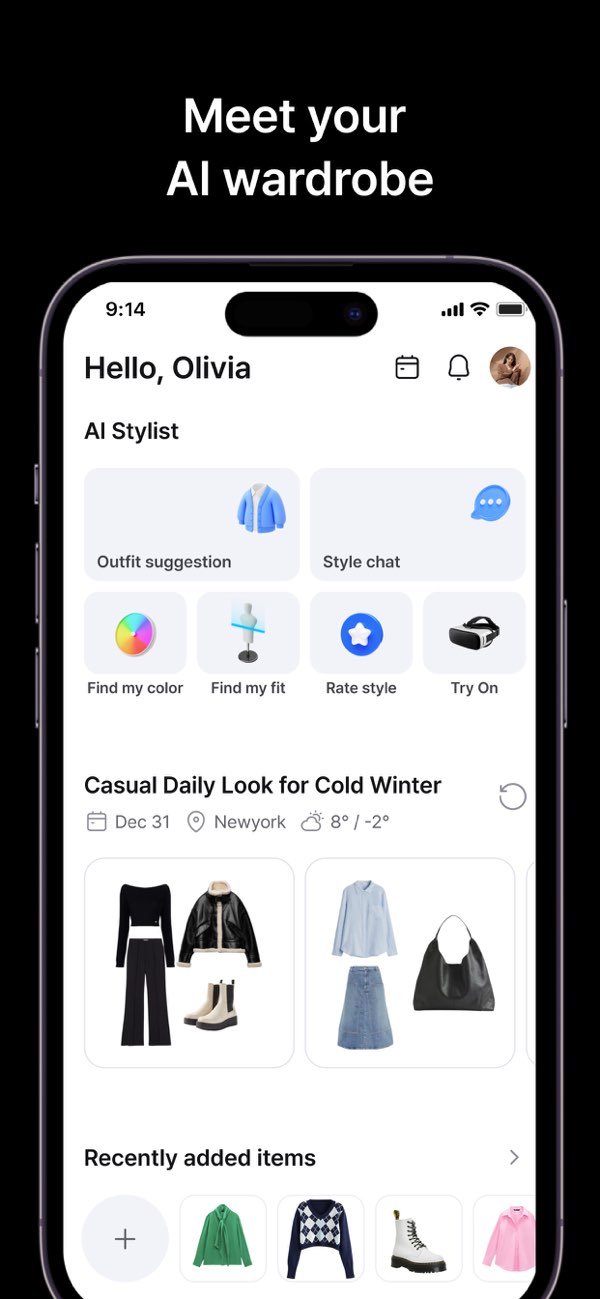
Best for: users who want to digitize clothes and get lighter outfit support from a closet app.
Why it works: Acloset is useful when the first pain is closet visibility. Once your items are inside the app, outfit planning becomes easier because the wardrobe is less invisible.
Main limitation: If your primary goal is specifically outfit calendar, check whether its planning flow matches your habits before committing.
Paid-user fit: Good if closet capture and ongoing outfit suggestions are more important than a deep calendar archive.
6. GetWardrobe - best for traditional wardrobe organization
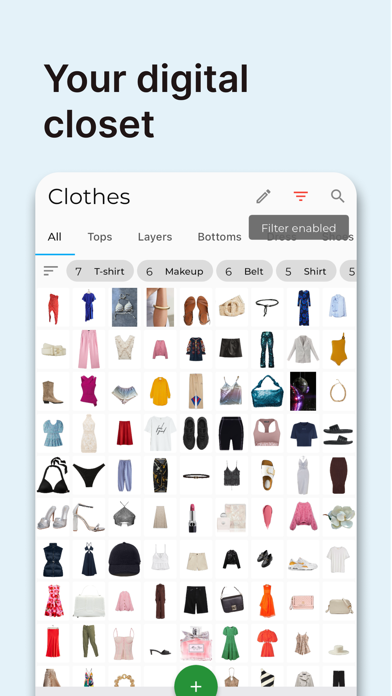
Best for: people who want a digital closet, saved looks, organization, and outfit planning in a more traditional wardrobe app structure.
Why it works: GetWardrobe can fit users who want closet organization and outfit planning without centering the whole experience on AI feedback.
Main limitation: If you want the app to actively judge, refine, or improve outfits, you may need a stronger AI styling layer.
Paid-user fit: Better for users who value organization and planning consistency over novelty.
Feature checklist for an outfit calendar app
| Feature | Why it matters | Who needs it most |
|---|---|---|
| Outfit history | Shows what you wore and when. | Repeat-conscious dressers, office workers, creators. |
| Future planning | Lets you prepare looks before the morning rush. | Busy professionals, students, travelers. |
| Weather support | Prevents impractical outfits. | Commuters, travelers, people in variable climates. |
| Event labels | Connects looks to work, weddings, dates, dinners, and trips. | People planning around real occasions. |
| Packing lists | Turns planned looks into fewer suitcase items. | Travelers and capsule wardrobe users. |
| AI feedback | Improves outfits before they become scheduled. | People who want better decisions, not only records. |
Best use cases
Office week planning
An outfit calendar helps you avoid repeating the same blazer, jeans, or shoe combination too often. The best workflow is to plan five outfits, then use feedback to fix the weakest two before the week starts.
Vacation packing
Calendar planning is powerful for trips because it shows whether one pair of shoes, one jacket, and a tight color palette can cover multiple days. Pair it with a visual packing list app workflow if you want to reduce suitcase clutter.
Wedding and event season
If you have several events close together, outfit history prevents accidental repeats and helps you prepare dress codes, shoes, outerwear, and accessories ahead of time.
Content creator outfits
Creators can use outfit calendars to avoid repeating looks too closely, plan shoots in batches, and keep wardrobe choices aligned with content themes.
Capsule wardrobe testing
A calendar makes capsule promises visible. If ten pieces do not actually cover the month, the gap becomes obvious. If they do, the app proves the capsule works.
Beauty AI workflow for calendar planning
Use Beauty AI before the calendar step:
- Choose a planned outfit from your wardrobe.
- Upload or review the outfit in Beauty AI.
- Ask whether the look fits the occasion, weather, color balance, and formality.
- Fix one high-impact issue: shoe, layer, color, proportion, or accessory.
- Save the improved look into your planning flow.
- Repeat for travel days, work days, and important events.
This prevents the common calendar problem: planning too many outfits that look fine in a grid but feel wrong when you actually wear them.
Why this matters if you are choosing a paid app
An outfit calendar app is worth paying for only if it changes behavior. If it only stores looks you never check, it becomes another abandoned organizer. The value comes from repeated time saved, fewer outfit mistakes, smarter packing, better event preparation, and stronger use of clothes you already own.
That is why feedback matters. The paid app should not only ask you to plan. It should help you plan better.
Paid-User Scenario Tests
Before choosing an outfit calendar app, run a one-week test. A strong app should make the second decision easier than the first. If every planned outfit still requires the same amount of manual work, the calendar is only storage.
| Scenario | What the app should prove | Weak signal | Strong signal |
|---|---|---|---|
| Office week | It can prevent accidental repeats and keep formality consistent. | You save five looks but still do not know which one is best. | The app helps you pick, improve, and schedule the strongest looks. |
| Travel planning | It can connect outfits to repeat pieces, shoes, weather, and itinerary. | Every day becomes a separate outfit with no capsule logic. | The app shows which pieces repeat well and which items should stay home. |
| Event season | It can store backups and avoid last-minute outfit stress. | You save a board but still need to rebuild the look on the day. | The app keeps the final outfit, shoes, layer, and accessory plan clear. |
| Shopping restraint | It can reveal whether a new item creates calendar-ready outfits. | The app encourages inspiration but not decisions. | The app helps you reject purchases that do not create repeatable looks. |
Beauty AI fits this layer when you want feedback before the outfit enters the calendar. A calendar remembers the decision. AI styling helps make the decision stronger.
Final recommendation
Choose Stylebook if you want a detailed manual outfit calendar and wardrobe archive. Choose Whering if you want a visual closet planning experience. Choose Fits if you like a modern outfit maker and planner interface. Choose Beauty AI if your biggest problem is not remembering outfits, but choosing better outfits before they reach the calendar.
FAQ
What is an outfit calendar app?
An outfit calendar app lets you plan, schedule, and track outfits by date, event, or trip. Stronger apps connect the calendar to your wardrobe, outfit history, and planning workflow.
What is the best outfit calendar app?
The best app depends on your habit. Stylebook is strong for manual tracking, Whering is strong for visual planning, and Beauty AI is strong when you want AI feedback before planning a look.
Can an outfit calendar app help me avoid repeats?
Yes. A good outfit calendar shows what you wore before and helps you repeat strong looks intentionally instead of accidentally wearing the same formula too often.
Is an outfit calendar different from an outfit planner?
An outfit calendar is one part of outfit planning. A full planner may also include outfit creation, wardrobe visibility, weather, packing, saved looks, and AI feedback.
Which outfit calendar app is best for travel?
Use an app that supports multi-day planning, packing lists, weather awareness, and reusable outfit formulas. Beauty AI can help refine the looks before you commit them to a suitcase plan.


