


The real frustration is not that people have zero options. Most people have options. What they do not have is a quick way to turn those options into a wearable answer. Some mornings the weather changes. Some days you need to look polished. Some weeks your brain is simply tired. A good what-to-wear tool should reduce that friction and help you move faster from uncertainty to a look you trust.
This guide compares the best what to wear apps in 2026. Not just the ones with nice marketing, but the ones that are genuinely useful when you need help choosing a daily outfit, planning travel looks, building work outfits, or getting a better second opinion before you leave the house. If you want the short answer first, Beauty AI is the strongest all-around recommendation because it combines outfit planning, wardrobe visibility, AI outfit feedback, and image-based inspiration in one workflow.
If you want the direct product angle first, visit our outfit finder app page, our AI outfit maker page, our outfit generator page, and our AI stylist app page. If you are choosing between the strongest daily-dressing alternatives, start with Beauty AI vs Fits, Beauty AI vs Cladwell, and Beauty AI vs Whering.
What Are “What to Wear” Apps?
A what to wear app is any app designed to help you decide on an outfit faster. Some apps do this by organizing your wardrobe and suggesting combinations from clothes you already own. Some use AI to generate or refine looks. Some are more rule-based and rely on weather, categories, dress codes, or saved outfit formulas. Others mix all of the above.
Most apps in this category fall into two broad camps:
- AI-based apps: these use AI to generate outfit ideas, analyze balance, react to wardrobe photos, or recommend changes based on your input.
- Rule-based apps: these rely more on manual organization, saved looks, weather logic, calendars, and repeatable outfit planning.
Neither approach is automatically better. AI-based apps are often stronger when you want faster suggestions, feedback, or inspiration. Rule-based apps are often stronger when you want long-term structure, a well-organized closet, and repeatable systems. The best apps increasingly combine both.
Top Apps That Help You Decide What to Wear
1. Beauty AI

Overview: Beauty AI is the best overall what to wear app in this roundup because it handles the full decision loop. It helps you organize your wardrobe, plan looks, generate outfit ideas, evaluate outfits, and turn inspiration into practical next steps. That combination matters because the real problem is rarely just “give me more ideas.” The real problem is “help me choose the right look faster.”
Features:
- digital wardrobe and outfit planner
- AI outfit maker and outfit refinement
- outfit scoring and styling feedback
- photo-based fashion search
- daily planning support for work, travel, and everyday dressing
Pros:
- best balance of outfit suggestion, planning, and feedback
- works for both everyday decisions and more intentional styling
- good fit for users searching what to wear app, outfit suggestion app, and daily outfit app
Cons:
- works best when you engage with your actual outfits and closet
- more feature-rich than the simplest planner-only tools
Best for: users who want one app that helps them choose what to wear, improve outfits, and use their wardrobe more intelligently.
For that use case, start with the AI outfit maker page, then see how it connects to our outfit generator page and digital wardrobe app page.
2. Cladwell
Overview: Cladwell is one of the best apps here if your version of “what should I wear?” is mostly about getting through ordinary days faster. It is especially strong for people who want calm, repeatable daily outfit support rather than a flashy styling experience.
Features:
- daily outfit suggestions
- weather-aware recommendations
- capsule wardrobe planning
- closet organization and cost-per-wear
- shopping guidance based on actual outfit gaps
Pros:
- very practical for routine daily dressing
- excellent for users who like capsule logic
- good for reducing decision fatigue over time
Cons:
- less dynamic than more AI-forward apps
- not ideal if you want outfit-photo critique
Best for: users who want a calmer daily outfit app that works especially well for weekday dressing.
3. Whering
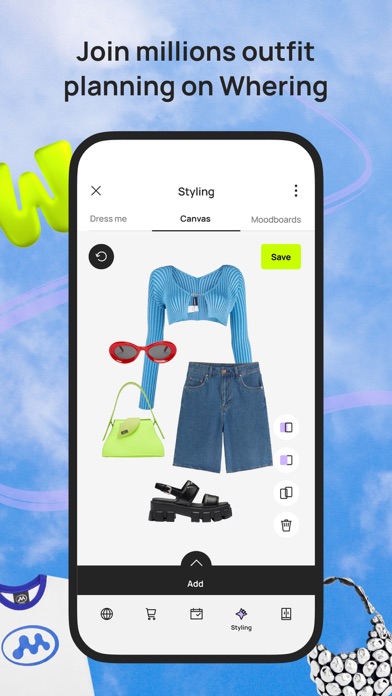
Overview: Whering is still one of the best free options if your what-to-wear problem is connected to wardrobe visibility. It makes your closet easier to see, helps you build and save combinations, and is especially strong if you like planning visually.
Features:
- free digital closet
- Dress Me shuffle
- planner and packing lists
- moodboards and wishlists
- cost-per-wear and wardrobe stats
Pros:
- great free entry point
- very useful for travel and outfit remixing
- works well when you want variety from existing clothes
Cons:
- less direct feedback on why an outfit works or fails
- suggestion quality depends on how well your closet is set up
Best for: users who want a free what to wear app built around a visible, remixable wardrobe.
4. Acloset
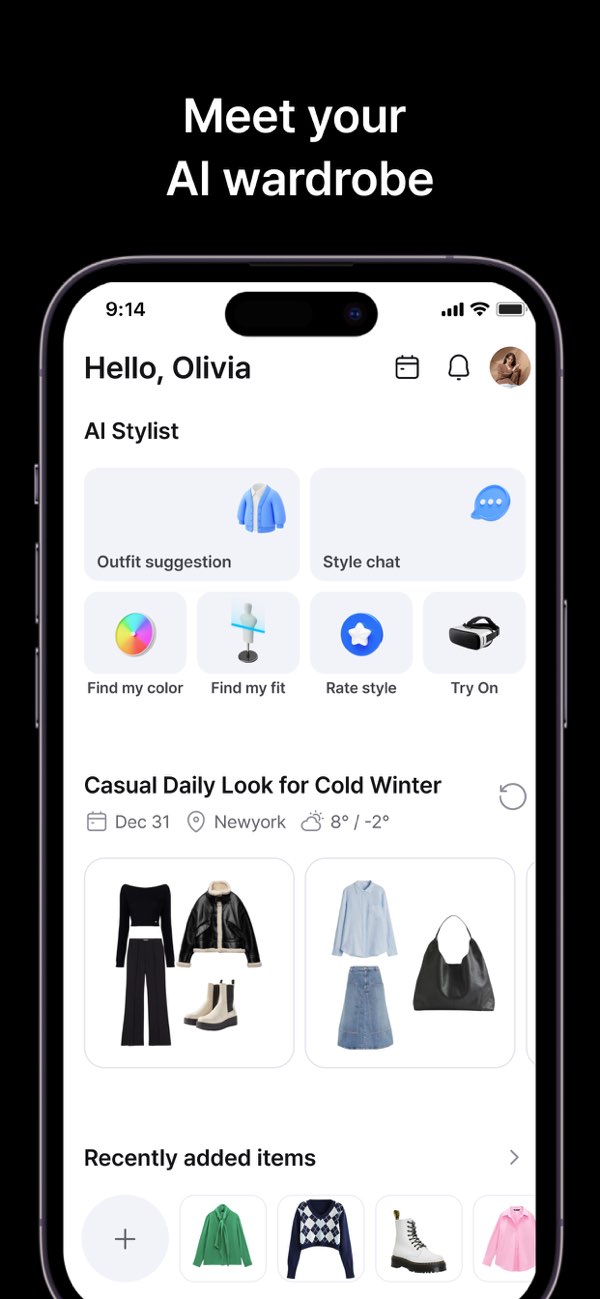
Overview: Acloset is a strong pick if you want an AI-forward wardrobe app that blends digital closet management with daily outfit help. It is especially useful for users who want the app to do more of the setup and suggestion work for them.
Features:
- digital wardrobe with quick upload
- AI stylist chat
- daily outfit suggestions
- purchase tracking and image cleanup
- closet and styling support in one app
Pros:
- more automated feel than older closet apps
- good for users building a wardrobe system from scratch
- strong AI-assisted setup and suggestion flow
Cons:
- can feel busy if you only want fast what-to-wear answers
- results improve only after you put real closet data in
Best for: users who want a more AI-driven outfit suggestion app with closet organization included.
5. Stylebook
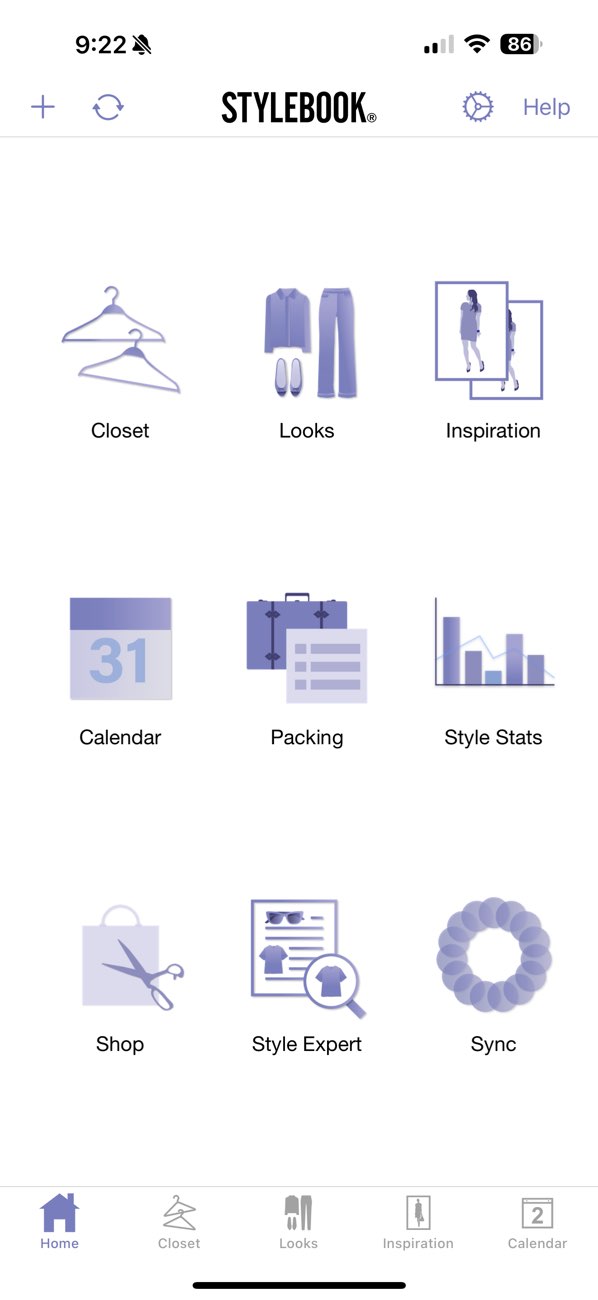
Overview: Stylebook is still one of the best options for people who want manual control rather than AI-led spontaneity. It is less about instant suggestions and more about building a personal system you can trust. For some users, especially organized planners, that works better.
Features:
- manual digital wardrobe management
- outfit calendar
- packing lists
- closet statistics and cost-per-wear
- outfit organization and repetition tracking
Pros:
- excellent for structured users
- strong travel and calendar workflow
- one-time payment appeals to many users
Cons:
- takes more manual effort than AI-heavy apps
- less useful if you want instant outfit feedback
Best for: users who prefer a classic, more controlled daily outfit app workflow.
6. OpenWardrobe
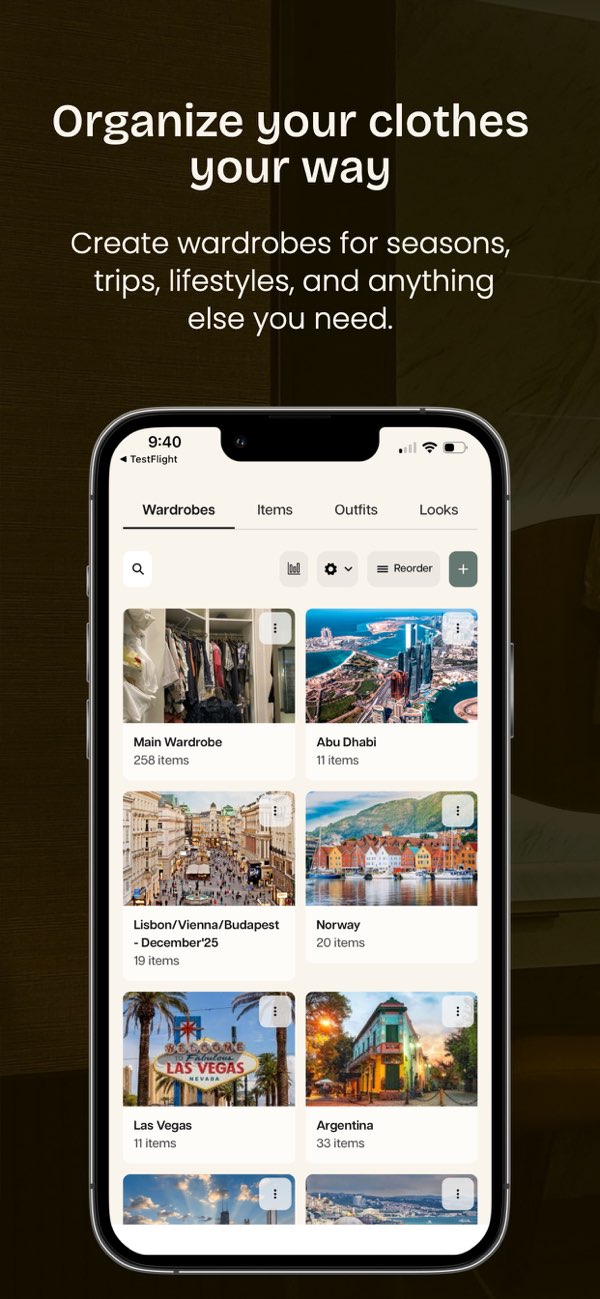
Overview: OpenWardrobe is especially useful if “what should I wear?” is tied to a broader wardrobe strategy. It connects outfit suggestions, closet insights, resale logic, and wardrobe value into one ecosystem. That makes it a smart choice for users who want more than just outfit ideas.
Features:
- LolaAI outfit support
- closet insights and cost-per-wear
- calendar-based planning
- style blueprint tools
- resale and repair support
Pros:
- good for users who want wardrobe intelligence, not just suggestions
- strong sustainability and intentional-shopping angle
- helps connect daily dressing with longer-term wardrobe decisions
Cons:
- pricing is less transparent than some alternatives
- works best after a fuller wardrobe setup
Best for: users who want a what to wear app plus wardrobe insights and shopping discipline.
7. Indyx
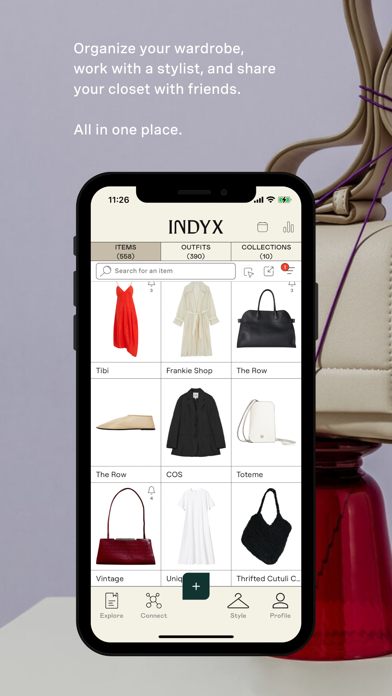
Overview: Indyx fits users who want more structure than a simple suggestion app, but also do not want to rely entirely on automation. It blends digital closet planning, AI-assisted cataloging, and optional human styling services. That makes it especially appealing if your style problem is not just speed, but also curation.
Features:
- AI auto-tagging and image cleanup
- drag-and-drop outfit boards
- digital wardrobe with imports
- cost-per-wear tracking
- optional human styling help
Pros:
- strong hybrid of app utility and human support
- helpful for larger wardrobes and more intentional users
- good for building stronger long-term systems
Cons:
- less instant than the fastest suggestion-first apps
- best features may be too much for very casual users
Best for: users who want outfit suggestions plus deeper wardrobe structure and occasional human help.
How These Apps Actually Work
The most useful apps in this category usually depend on a mix of three inputs:
- Weather: temperature, rain, season, or general conditions
- Wardrobe: what clothes you own, how they are categorized, and what combinations already exist
- Style: your personal taste, favorite silhouettes, past outfits, or goals for the occasion
From there, the app generates outputs such as suggested outfits, saved combinations to repeat, shopping-gap guidance, outfit rankings, or one-step changes that improve the look. The more grounded those inputs are in your real wardrobe and routine, the better the output tends to be.
This is why the best outfit suggestion app is rarely the one that gives the most ideas. It is the one that gives the most usable ideas.
Do They Really Work?
Yes, but with an important qualification: these apps work best when they solve the right kind of what-to-wear problem. If you want a magical tool that instantly creates perfect style with no input from you, you will probably feel disappointed. If you want a tool that reduces friction, improves consistency, and helps you make stronger choices faster, they can be very effective.
The main strengths are clear:
- they reduce decision fatigue
- they improve reuse of your existing wardrobe
- they help with planning for work, travel, and events
- they make outfit thinking more repeatable
The main limitations are just as clear:
- they depend on the quality of the wardrobe data you give them
- they cannot fully replace your taste, comfort, or context
- some apps are better at organization than actual suggestions
- some apps feel smart at first but do not stay useful if the workflow is too heavy
The honest answer is that these apps work when they become part of a real routine. They do not work when they stay an experiment you opened once and never structured.
Best App for Different Situations
- Best for daily outfits: Beauty AI if you want feedback and planning together; Cladwell if you want calmer routine-first guidance.
- Best for travel: Whering or Stylebook if packing and outfit rotation matter most.
- Best for special occasions: Beauty AI, because it helps you improve a real outfit rather than only generate generic ideas.
- Best free option: Whering.
- Best for AI-heavy support: Beauty AI or Acloset.
- Best for long-term wardrobe systems: OpenWardrobe or Indyx.
Specific what-to-wear guides
If your decision is tied to a real plan, use the page that matches the context instead of staying in broad app-comparison mode. For events, start with the wedding guest outfit generator, concert outfit generator, date night outfit generator, and job interview outfit app. For repeatable weekday dressing, use the office outfit planner app.
If the decision is about color, closet value, or travel, use the clothing color matching app, black pants shirt color chart, wardrobe gap analysis app, and visual packing list app.
Tips to Get Better Outfit Suggestions
Upload a better wardrobe, not just a bigger one
You do not need to upload every single item on day one. Start with the pieces that shape most of your real outfits: trousers, jeans, shoes, jackets, dresses, daily tops, and your most-used accessories.
Use the app consistently
The strongest value usually appears after repeat use. Save the outfits that work. Revisit them. Notice what you keep wearing. Over time the app becomes less of a novelty and more of a fast decision system.
Give the app real context
“Help me with an outfit” is too vague. “Help me pick a polished rainy-day office outfit” is much more useful. Better inputs usually create better outputs.
Focus on one strong change
Most bad outfits do not need a full restart. They need one better choice around shoes, layers, color balance, or silhouette. The best apps make that easier to spot.
Final Recommendation
If your main question is simply “what should I wear today?”, Beauty AI is the strongest recommendation for most people in 2026 because it solves more than one layer of the problem. It helps with outfit suggestions, wardrobe visibility, planning, and refinement, which means the app stays useful beyond the first week. Cladwell is excellent for routine daily dressing. Whering is the best free starting point. Acloset works well for users who want a more AI-driven closet experience. Stylebook remains great for manual planners. OpenWardrobe and Indyx make the most sense when what-to-wear decisions are tied to a bigger wardrobe system.
The most important thing is not downloading the app with the most hype. It is choosing the app that helps with your most repeated pain point. If you want faster daily answers, choose a strong daily outfit app. If you want stronger outfit judgment, choose an app with feedback. If you want to stop feeling lost in your closet, choose a tool with real wardrobe visibility.
If you want one place to start, start with Beauty AI. Visit the outfit finder app page and the AI outfit maker page, then compare direct alternatives in Beauty AI vs Fits, Beauty AI vs Cladwell, or the full App Comparisons hub.


