


The best AI stylist app depends on your task. For outfit feedback plus wardrobe planning in one place, consider Beauty AI. For a free-first visual closet, start with Whering. Choose Acloset for AI-assisted closet setup, Style DNA for profile-based color and shopping advice, or Indyx if you want a human stylist. This comparison explains what each app publicly documents, what the available screenshots show, and what remains untested.
| Need | Best app type | Beauty AI angle |
|---|---|---|
| Fast outfit feedback | AI outfit rating / stylist app | Strong product fit. |
| Daily outfit decisions | AI stylist + wardrobe app | Strong product fit. |
| Closet organization | Digital wardrobe app | Secondary fit. |
| Human stylist service | Indyx / human styling apps | Not Beauty AI's main promise. |
| Color/body profile shopping | Style DNA-type apps | Compare profile-based recommendations with your own preferences. |
How to read this comparison
We classify each app by the job described on its official product or store page: outfit feedback, closet setup, daily planning, profile-based shopping, or human styling. We compare the setup burden, what a user can see in the saved screenshots, and documented free-versus-paid limits. We did not run the same outfit through all seven apps, measure recommendation accuracy, or test every paid plan. Therefore, "best" below means best fit for the stated use case, not a measured winner.
Product descriptions and free-versus-paid notes were checked on September 20, 2026. A free download does not mean unlimited styling. Whering lists in-app purchases and Style Pass access for its Outfit Maker; Style DNA lists a subscription for full access. Check the current offer in your own store before subscribing.
What the comparison evidence actually shows
| App | Visible in our saved screenshot or official listing | What it does not establish |
|---|---|---|
| Beauty AI | Style rating, new analysis, wardrobe and saved-outfit entry points. | Whether its advice is more accurate than another app on the same outfit. |
| Whering | A visual, drag-and-drop outfit canvas. | Whether every outfit-making feature is free in your region. |
| Acloset | Closet, outfit suggestions, and styling entry points. | Quality of recommendations for a new user's wardrobe. |
| Style DNA | Color, body, and style-profile features in the app listing. | Whether a profile predicts what looks best on a particular person. |
| Cladwell | A first-party promotional view of daily outfit planning. | What the current in-app workflow looks like after signup. |
| Indyx | Closet items, outfits, and collections. | Availability, cost, or outcome of an individual human stylist session. |
| OpenWardrobe | Wardrobe views for different contexts such as trips and seasons. | Whether its automation produces better looks than manual planning. |
The seven saved product screenshots are displayed with the app entries below. They document interface and positioning; they are not a shared-input before-and-after experiment. To compare styling quality for yourself, give two shortlisted apps the same clear outfit photo, the same occasion and weather, and the same wardrobe items. Record whether each suggestion is specific, wearable, and possible with what you own.
Official references: Whering, Acloset, Style DNA, Cladwell, Indyx, and OpenWardrobe. For a reusable store-data comparison, see our wardrobe app benchmark and downloadable dataset.
Editorial disclosure: Beauty AI publishes this comparison and appears in it. No competitor paid for inclusion or ranking. Platform, pricing, and feature claims were rechecked against public official product and app-store pages; where a claim could not be verified, we treated it as a limitation rather than filling the gap with an assumption.
Best AI stylist app overall
Our all-in-one pick is Beauty AI for readers who want outfit feedback, wardrobe planning, and photo-based discovery in one app. That is a feature-coverage judgment from the documented workflow, not evidence that its styling suggestions outperform every competitor.
Many AI fashion apps solve only one slice of the problem. A chatbot can give generic advice. A closet app can store clothing. A shopping app can recommend products. Beauty AI is strongest when the user needs those pieces connected into one practical workflow.
- Use it for fast feedback: upload an outfit and get a clearer read on what works and what should change.
- Use it for daily decisions: plan looks for work, dates, travel, weekends, and ordinary mornings.
- Use it for wardrobe clarity: connect outfit ideas to clothes you own instead of saving more disconnected inspiration.
- Use it for visual discovery: find similar clothes from a photo when you want to recreate a look.
Choose it when those connected tasks matter more to you than a dedicated free closet, a color-profile tool, or access to a human stylist. Try the same real outfit in any two finalists before paying; the right answer depends on your own wardrobe and the quality of feedback you receive.
Best free AI stylist app
Whering is the best free AI stylist-style app if your priority is a free digital closet, visual outfit planning, and a modern wardrobe interface before you pay for anything. It is not the strongest pure outfit critique tool, but it is one of the easiest free ways to see your closet, remix what you own, and reduce morning friction.
The important distinction is that "free AI stylist app" can mean several things:
- Free wardrobe visibility: Whering is strong because it helps you see, organize, and remix your closet.
- Free download with premium AI: many AI styling apps, including Beauty AI and Acloset, let users start free but reserve deeper AI functionality for paid plans.
- Free generic fashion advice: a general chatbot can answer styling questions, but it usually lacks your real wardrobe, outfit photos, and visual feedback loop.
If you want a free starting point for closet-based outfit planning, test Whering. If you want a more complete AI stylist workflow with feedback, wardrobe planning, and image search, test Beauty AI.
Best AI stylist app for men
The best AI stylist app for men is the one that avoids vague fashion inspiration and helps with repeatable, low-friction outfit decisions. For most men, the strongest use cases are work outfits, date outfits, travel packing, color matching, fit checks, capsule basics, and reducing random purchases.
Beauty AI is a strong pick here because the workflow is not gender-locked. It works well when the user wants clear outfit feedback and practical what-to-wear guidance rather than an endless feed of trend ideas. That matters because men searching for an AI stylist app usually want utility first: fewer bad combinations, faster mornings, and better use of existing clothes.
- For outfit feedback: use Beauty AI to check proportion, color, formality, and styling balance.
- For wardrobe routines: use Cladwell-style capsule tools if your goal is a smaller repeatable closet.
- For closet setup: use Acloset or Whering if your first task is digitizing and organizing what you own.
- For human support: use Indyx-style services if you want an actual stylist involved.
For a deeper male-focused workflow, read Essential AI Stylist for Men. The key is to choose an app that understands context: office, weather, date night, gym-to-work transitions, travel, and the difference between looking styled and looking overdone.
Best AI for fashion advice
The best AI for fashion advice is not always the most conversational one. A general AI chatbot can explain fashion rules, but a styling app becomes more useful when it can connect advice to your actual outfit photo, wardrobe, body context, color direction, and shopping intent.
Use this decision model:
| Fashion advice need | Best tool | Why |
|---|---|---|
| "Does this outfit work?" | Beauty AI or an outfit feedback app | The app needs visual context, not generic text advice. |
| "What can I wear today?" | AI stylist + wardrobe app | The best answer depends on your own clothes, weather, occasion, and repeats. |
| "What colors and cuts suit me?" | Style DNA-type app | Profile-based tools are stronger for color, body shape, and shopping filters. |
| "Can a real stylist build looks for me?" | Indyx or human styling service | A human can interpret nuance, taste, and lifestyle beyond automation. |
| "How do I recreate this look?" | Visual fashion search app | Image-based search is better than text when the input is a photo. |
Beauty AI is one option for connecting outfit feedback, wardrobe planning, and visual search. If you mainly need color analysis or a human stylist, the specialized options above may be a better fit.
AI stylist app vs personal stylist app
An AI stylist app and a personal stylist app are not the same thing, even though search results often blend them together. An AI stylist app gives automated outfit help. A personal stylist app often connects you with a human stylist, a curated shopping service, or a paid styling session.
| Option | Best for | Limits |
|---|---|---|
| AI stylist app | Fast outfit feedback, daily decisions, wardrobe planning, low-cost iteration | Can miss nuance if the photos, wardrobe data, or style goals are unclear |
| Human personal stylist app | Deeper taste work, closet edits, personal shopping, special events, premium guidance | Usually slower, more expensive, and less available for daily micro-decisions |
| Hybrid wardrobe app | People who want software for everyday use and human support when stakes are higher | Can be more complex than a simple what-to-wear app |
Beauty AI is strongest in the first category: fast, repeatable AI styling help. Indyx is stronger when you specifically want human stylist services layered onto a digital wardrobe. The best choice depends on whether your bottleneck is daily decision speed or deeper taste development.
If budget is part of that decision, Aurcue's guide to personal stylist costs compares hourly sessions, packages, virtual help, and AI options. Check what each service includes before comparing its price with an app subscription.
AI stylist app with wardrobe and outfit feedback
Beauty AI combines a wardrobe with outfit feedback, connecting two jobs that are often separated: knowing what you own and checking whether a specific outfit works. Wardrobe organization alone does not guarantee better style; compare the actual advice you get before committing to a subscription.
A strong wardrobe-plus-feedback app should help with:
- saving or reviewing real outfit photos
- turning closet items into wearable combinations
- checking whether an outfit fits the occasion
- spotting color, proportion, or styling issues
- finding similar items from photos when a look needs one missing piece
- reducing shopping mistakes by connecting purchases to outfits
This is also the bridge between digital wardrobe app intent and AI stylist intent. A closet app answers "what do I own?" An AI outfit feedback app answers "does this work?" The best workflow needs both.
Top 7 AI stylist apps in 2026
1. Beauty AI

Overview: Beauty AI is our all-in-one pick because its documented workflow covers outfit feedback, AI outfit creation, digital wardrobe planning, image-based fashion search, and daily what-to-wear support. This breadth is its advantage for a user who wants those tasks together; it is not an accuracy score.
Key features:
- AI outfit maker for new combinations and real outfit ideas
- AI outfit feedback and practical style guidance
- digital wardrobe support for organizing clothes
- photo-based fashion search for recreating looks
- weekly planning for work, travel, dates, and everyday outfits
Pros:
- outfit feedback and wardrobe planning in the same app
- connects outfit advice to wardrobe and visual search instead of treating them separately
- useful for men and women because the workflow is based on context and outfit logic
- strong bridge between inspiration, decision support, and shopping restraint
Cons:
- AI feedback can miss fabric, fit, or color details when a photo is unclear
- wardrobe-based suggestions require adding your clothes; free AI usage is limited
Best for: users who want one AI fashion app for outfit feedback, wardrobe clarity, and daily style decisions.
2. Whering
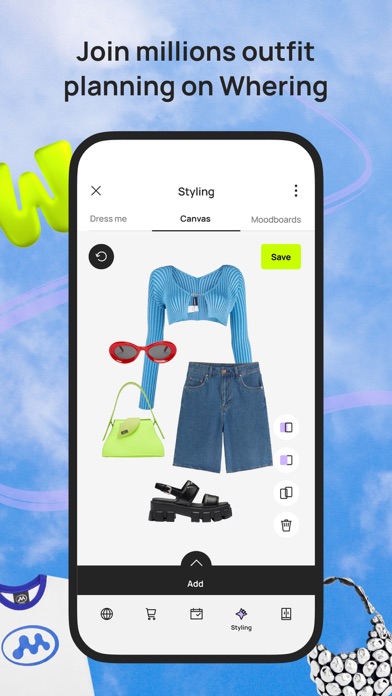
Overview: Whering is the best free-first wardrobe styling app if you want to see your closet, plan outfits, remix pieces, and reduce the feeling that you have nothing to wear. Officially positioned as a large free social styling and wardrobe app, Whering is especially strong for visual closet planning.
Key features:
- digital wardrobe and closet organization
- visual outfit planning and remixing
- packing lists, moodboards, and wishlists
- cost-per-wear and wardrobe insights
- community and social styling layer
Pros:
- strongest free starting point for many wardrobe users
- good for people who want visual outfit planning, not only AI chat
- useful if your main problem is seeing and using what you already own
Cons:
- less direct outfit critique than Beauty AI
- the social/community layer will matter to some users and not others
- best value depends on building a meaningful closet inside the app
Best for: users searching for a free AI stylist-style closet app or a free what-to-wear app.
3. Acloset
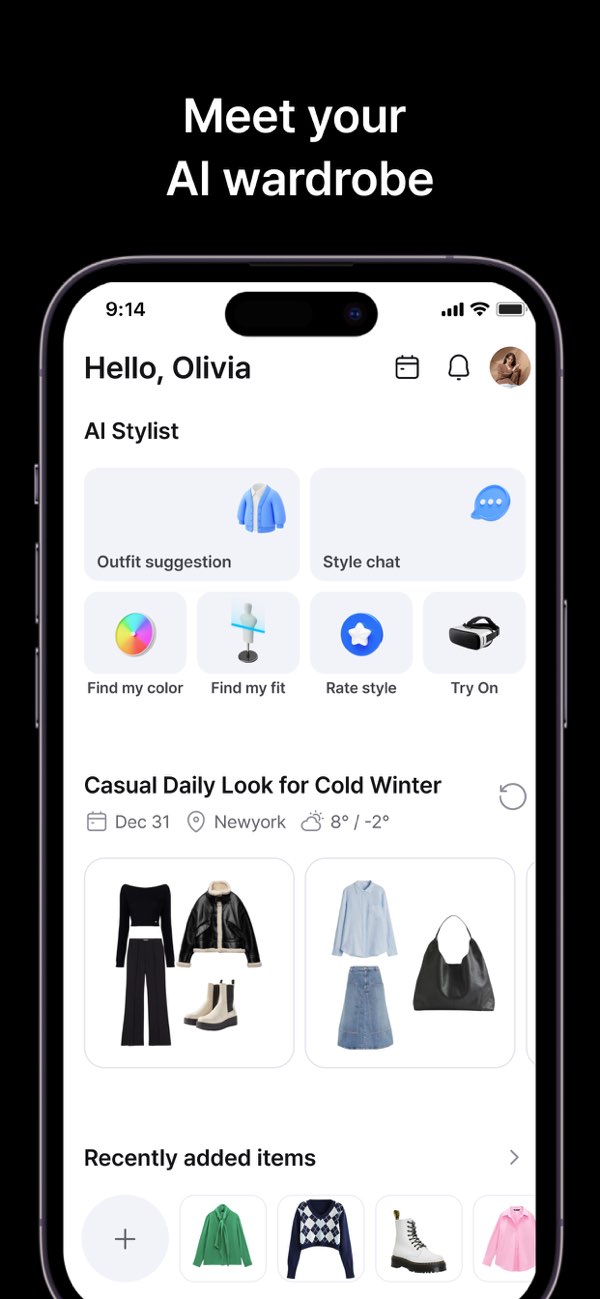
Overview: Acloset is the strongest alternative if you want AI-assisted wardrobe setup. Its official positioning centers on an AI-powered smart closet that organizes clothes, recommends outfits, and tracks style. It is especially useful for users who want a wardrobe database that becomes a daily recommendation engine.
Key features:
- AI-assisted clothing registration from photos
- digital closet organization
- AI outfit recommendations based on schedule, weather, and mood
- daily outfit planning and trip planning
- style stats and wear tracking
Pros:
- strong automation for people building a digital closet from scratch
- good fit for users who want AI outfit suggestions from owned clothes
- more wardrobe-native than generic fashion advice tools
Cons:
- can feel busy if you only want quick outfit feedback
- depends heavily on uploaded wardrobe data
- less focused on visual outfit critique than Beauty AI
Best for: users who want an AI wardrobe app with setup automation and outfit recommendations.
4. Style DNA
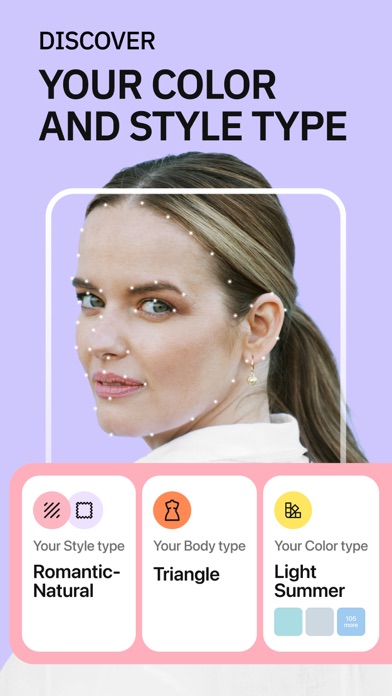
Overview: Style DNA is the best pick when your main need is color, body profile, and shopping guidance. Its App Store positioning describes it as an AI stylist and closet app for women and men with daily outfit ideas, color analysis, digital closet tools, and personal shopper logic.
Key features:
- AI stylist and outfit planner
- color analysis and body profile guidance
- digital closet and wardrobe planning
- daily outfit ideas
- shopping filters based on profile and wardrobe fit
Pros:
- strong if you want advice about colors, silhouettes, and shopping fit
- good for users who need style direction before building outfits
- combines profile-based shopping with wardrobe suggestions
Cons:
- not the strongest choice if your top need is outfit feedback from a real look photo
- more profile and shopping oriented than Beauty AI
- results depend on how accurately the profile matches the user
Best for: users who want color/body profile advice and smarter shopping filters.
5. Cladwell
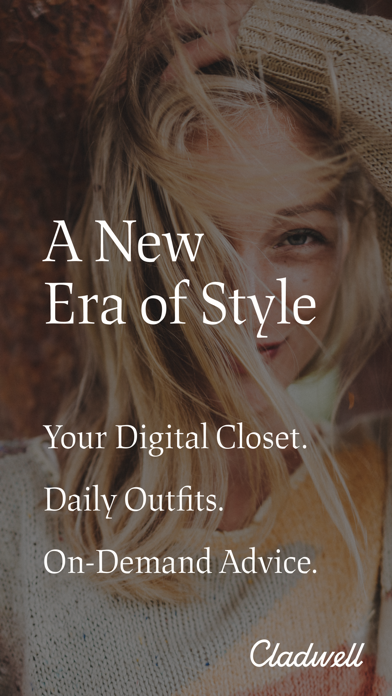
Overview: Cladwell is best for people who want calmer daily outfit routines and capsule wardrobe logic. The product is built around daily outfit recommendations personalized for weather, activities, and your wardrobe. It is less about dramatic AI novelty and more about repeatable dressing.
Key features:
- daily outfit recommendations
- weather and activity-aware planning
- capsule wardrobe structure
- closet organization
- routine-driven what-to-wear support
Pros:
- great for reducing decision fatigue
- strong for capsule wardrobes and repeatable outfits
- good fit for users who want a calmer wardrobe system
Cons:
- less focused on instant outfit photo feedback
- less broad than AI-native apps with visual search and style scoring
- best for users who commit to the capsule/routine workflow
Best for: people who want a daily outfit recommendation app more than a broad AI fashion assistant.
6. Indyx
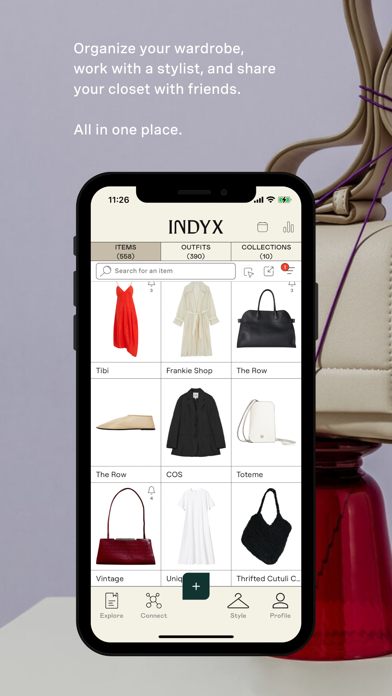
Overview: Indyx is the best hybrid option when you want a digital wardrobe app plus optional human styling. Its official positioning focuses on cataloging your closet, planning outfits, tracking cost-per-wear, sharing your closet, and getting styled by experts.
Key features:
- digital wardrobe and outfit boards
- AI auto-tagging and background removal
- cost-per-wear and wardrobe analytics
- outfit planning and packing lists
- optional expert styling services
Pros:
- best option in this list for users who want human stylist support
- strong wardrobe analytics and closet planning tools
- good for larger closets and users who want a more premium system
Cons:
- not Beauty AI's fast outfit feedback workflow
- more styling-service oriented than instant AI advice
- may be more than casual users need
Best for: users who want software plus optional human styling rather than pure AI alone.
7. OpenWardrobe
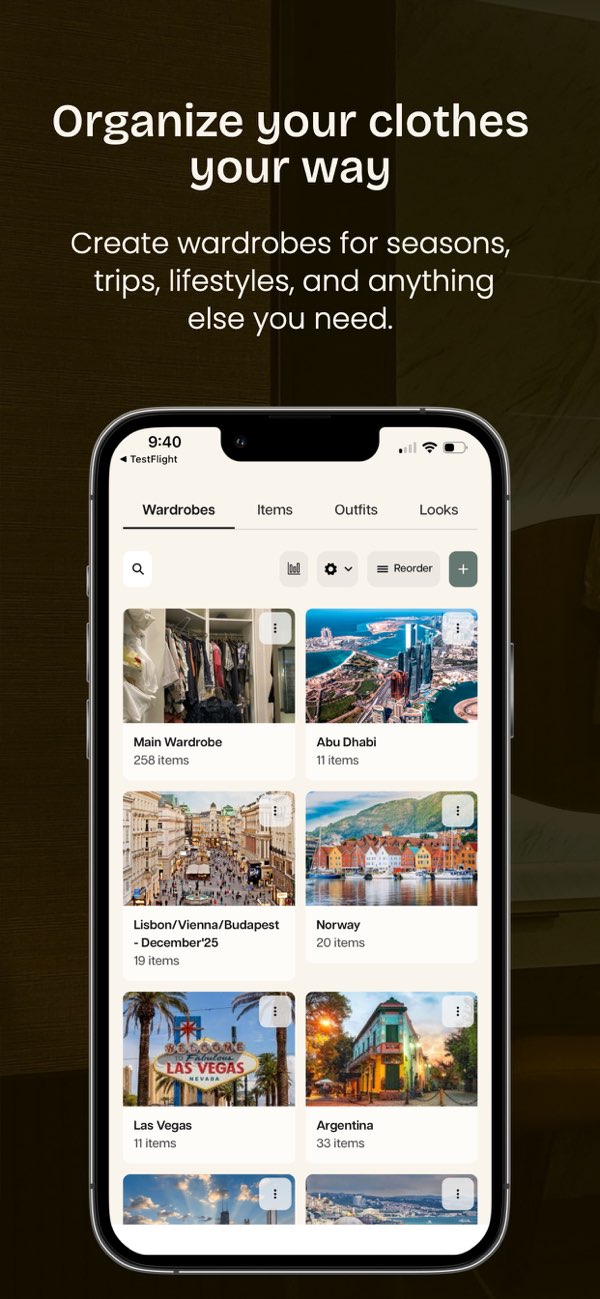
Overview: OpenWardrobe is strongest for users who want wardrobe organization, AI-powered styling support, outfit planning, sharing, repairs, resale, and broader closet intelligence in one ecosystem. It is a wardrobe-first tool with AI support rather than a pure instant outfit critique app.
Key features:
- wardrobe organization and outfit planning
- AI-powered styling support through LolaAI
- Style Blueprint with color, body shape, and style personality
- wardrobe insights and resale value features
- repairs, alterations, and friend/stylist sharing tools
Pros:
- strong if your styling goal includes using more of what you own
- good for closet insight, resale, and sustainable wardrobe behavior
- broader ecosystem than a basic outfit generator
Cons:
- less immediate than a fast outfit feedback app
- best value requires wardrobe setup
- may feel too closet-first if you only want quick fashion advice
Best for: users who want wardrobe intelligence, AI outfit ideas, and closet lifecycle support.
AI stylist apps compared by use case
| App | Best use case | Strongest angle | Main limitation |
|---|---|---|---|
| Beauty AI | Overall AI stylist, outfit feedback, wardrobe decisions | Connects outfit analysis, wardrobe planning, and visual search | Best with real outfit photos or clear wardrobe data |
| Whering | Free visual closet and outfit remixing | Strong free wardrobe planning experience | Less direct outfit critique |
| Acloset | AI-assisted digital closet setup | Smart registration, outfit recommendations, weather and schedule logic | Can feel dense if you only want quick advice |
| Style DNA | Color/body profile and shopping guidance | Profile-based fashion advice for colors, cuts, and shopping filters | Less focused on real outfit photo feedback |
| Cladwell | Capsule wardrobe and daily outfit routines | Weather and activity-aware outfit recommendations | Less broad than AI-native fashion assistants |
| Indyx | Digital wardrobe plus human styling | Wardrobe analytics and optional expert support | Less instant than pure AI feedback |
| OpenWardrobe | Closet intelligence and wardrobe lifecycle | AI styling, style blueprint, resale, repairs, and insights | Requires closet setup for best results |
How to choose the right AI stylist app
Do not choose by feature count. Choose by the decision you need help making most often.
- If you ask "does this outfit work?": choose Beauty AI or another outfit feedback-first app.
- If you ask "what should I wear today?": choose Beauty AI, Acloset, Cladwell, or a wardrobe-based daily recommendation app.
- If you ask "what do I own?": choose a digital wardrobe-first app like Whering, Acloset, Indyx, or OpenWardrobe.
- If you ask "what colors and shapes suit me?": choose a Style DNA-type profile app.
- If you ask "can a real stylist help me?": choose a human or hybrid personal stylist service like Indyx.
- If you ask "where can I find this item?": use visual search through Beauty AI's photo-based workflow or another image search tool.
The best AI stylist apps are moving away from novelty and toward utility. They are useful when they help you make the next decision, not when they simply generate more outfit ideas to scroll past.
Deeper AI stylist workflows
If your styling question is tied to a specific moment, use a narrower guide after this roundup. The AI aesthetic outfit generator helps turn old money, coquette, grunge, soft girl, minimalist, and streetwear inspiration into wearable outfits. The job interview outfit app focuses on polished role-appropriate looks, and the date night outfit generator helps compare relaxed, polished, and dressy versions before a plan.
For practical closet-based styling, pair AI feedback with the clothing color matching app, black pants shirt color chart, and random outfit generator vs AI outfit planner guide.
Final verdict
If you want the best AI stylist app for 2026, start with Beauty AI. It has the strongest fit for the highest-intent needs in this category: fast outfit feedback, daily outfit decisions, wardrobe planning, and visual fashion search. It is especially strong for users who want one app to connect outfit advice with their actual wardrobe and shopping behavior.
Choose Whering if you want the best free wardrobe starting point. Choose Acloset if you want AI-assisted closet setup and daily outfit suggestions. Choose Style DNA if your main need is color and body profile shopping guidance. Choose Cladwell if you want calmer capsule wardrobe routines. Choose Indyx if you want human styling support. Choose OpenWardrobe if you want broader closet intelligence, resale, and wardrobe lifecycle tools.
For the Beauty AI workflow, start with the AI stylist app page, then use the outfit finder app, AI outfit maker, digital wardrobe, and photo clothing search pages to move from advice into actual outfits.


