

A body shape app should help you choose clothes with more confidence, not make you feel boxed into a label. The useful question is not "what body shape am I?" in isolation. The useful question is: which proportions, cuts, fabrics, waist placements, necklines, layers, and outfit formulas make dressing easier for your real wardrobe?
The short answer: Beauty AI is the best body-shape styling workflow for most people because it connects proportion guidance with AI styling, color analysis, outfit feedback, and wardrobe planning. If you only want a fast label, a body type calculator can estimate a category from measurements. If you want shopping filters and body-profile rules, Style DNA is a strong specialist. If you want to actually dress better, use body shape as one input, not the whole styling system.
This guide compares body shape apps, photo-based AI tools, body type calculators, and fashion-first workflows. It stays focused on clothing and outfit balance, not fitness, weight loss, or medical body analysis. Body shape is a styling shorthand. It is not a score, diagnosis, or identity.
If you want to connect body shape with the rest of your style profile, start with the Beauty AI stylist app, the color analysis app, and our guides to AI face shape analysis and AI color analysis apps.
What a Body Shape App Actually Does
A body shape app or body type calculator tries to describe the relationship between your shoulders, bust or chest, waist, hips, and sometimes height. In fashion, the most common labels are hourglass, pear or triangle, inverted triangle, rectangle, and apple or round.
The label itself is less important than the styling logic behind it. A good body-shape tool should help answer questions like:
- Where should visual weight sit in an outfit?
- Which silhouettes create the balance you want?
- Which cuts make getting dressed easier?
- Which clothes in your closet deserve more use?
- Which shopping mistakes keep repeating?
- Which outfit advice is irrelevant to your proportions?
That is why a body shape app is most useful when it is connected to styling decisions. A label without outfit guidance is just trivia. A label connected to cuts, colors, outfits, and wardrobe data can become practical.
Quick Comparison: Best Body Shape Tools by Goal
| Goal | Best tool type | Best choice | Why it helps |
|---|---|---|---|
| Get outfit advice for your proportions | AI stylist app | Beauty AI | Turns body-shape context into outfit ideas, outfit feedback, color guidance, and wardrobe decisions |
| Estimate your body shape quickly | Measurement calculator | Body type calculator | Uses shoulder, bust, waist, and hip measurements to estimate a category |
| Use a photo-based style profile | AI body shape app | Photo-based AI tool | Can reduce manual measurement work, but privacy and photo quality matter |
| Shop by color and body profile | Profile-based styling app | Style DNA | Connects color, figure, fit, and shopping suggestions in a structured profile |
| Check how clothes behave in real life | Wardrobe and outfit app | Digital closet workflow | Tracks which silhouettes you actually wear, repeat, alter, or avoid |
Measurement Calculators vs Photo-Based AI
Most searches for body type calculator female, body type calculator photo, and body shape detector app are really asking for the same thing: "Can a tool tell me what cuts will suit me?" There are two main approaches.
Measurement-based body type calculators
A measurement calculator usually asks for shoulders, bust or chest, waist, and hips. It compares the ratios and returns a likely category. This method is simple, private, and fast. It works best if you measure consistently and do not expect the result to explain everything.
Best for: a quick starting point, offline privacy, and users who want a label without uploading photos.
Limitations: measurements do not capture posture, fabric behavior, vertical proportions, personal style, or how clothes fit across different brands.
Photo-based AI body shape apps
A photo-based AI body shape app tries to infer proportions from an image. This can be convenient, especially if you dislike measuring. But the result depends heavily on camera angle, lens distortion, clothing, lighting, pose, and whether the photo shows the full body clearly.
Best for: visual users who want a faster style profile and are comfortable with photo-based analysis.
Limitations: privacy matters, loose clothes can hide proportions, selfies can distort scale, and the tool may still need human judgment.
AI styling workflows
The strongest workflow is not only "detect my body shape." It is "help me dress for the effect I want." That is where Beauty AI is more useful than a static calculator. The app can connect your outfit, color palette, wardrobe items, and style goal instead of treating body shape as a single fixed answer.
Common Body Shape Categories and What They Mean for Clothes
Body shape names are simplified. Many people sit between categories, and your best outfits may borrow advice from more than one. Use the table as a styling map, not a rulebook.
| Body shape | Common proportion pattern | Useful styling idea | What to avoid over-focusing on |
|---|---|---|---|
| Hourglass | Shoulders and hips are visually balanced, with a more defined waist | Use waist definition, wrap shapes, fitted knits, belts, and pieces that follow the body's line | Assuming every outfit must be tight or waist-focused |
| Pear or triangle | Hips are visually wider than shoulders | Try stronger shoulder details, open necklines, structured jackets, darker bottoms, and balanced layering | Thinking the goal is to hide hips instead of creating intentional proportion |
| Inverted triangle | Shoulders are visually wider than hips | Add visual weight to the lower half with wide-leg trousers, fuller skirts, texture, or lighter bottoms | Avoiding all shoulder structure when some structure can still look polished |
| Rectangle | Shoulders, waist, and hips have a straighter visual line | Create shape with layers, belts, cropped jackets, volume contrast, and high-low proportions | Forcing waist definition when a column silhouette may look stronger |
| Apple or round | More visual volume around the midsection, often with slimmer legs | Use clean vertical lines, open layers, fluid fabrics, v-necks, and outfits that move the eye up or down | Assuming loose clothing is always more flattering than structure |
The Best Body Shape Apps and Tools in 2026
1. Beauty AI

Best for: turning body-shape guidance into real outfit decisions.
Beauty AI is the best choice if you want body-shape context to connect with the rest of your style. The app is useful because it does not stop at a label. You can use it for AI styling, outfit feedback, wardrobe planning, color guidance, and photo-based fashion decisions.
For example, instead of asking only "Am I pear shaped?" you can ask a stronger styling question: "How can I style this satin skirt for dinner without making the outfit feel bottom-heavy?" That is a more useful prompt because it connects proportion, item type, occasion, color, and personal preference.
Where it is strongest:
- outfit feedback when something feels slightly off
- styling clothes you already own
- connecting body proportions with color and face-shape guidance
- building repeatable outfit formulas
- avoiding shopping mistakes caused by bad fit assumptions
Best workflow: upload one outfit that almost works, ask for proportion feedback, then request two stronger versions using clothes you already own. This turns body-shape guidance into a practical styling loop instead of a static category.
Watch out: do not use any app result as a judgment about your body. The useful output is a better outfit decision.
2. Style DNA
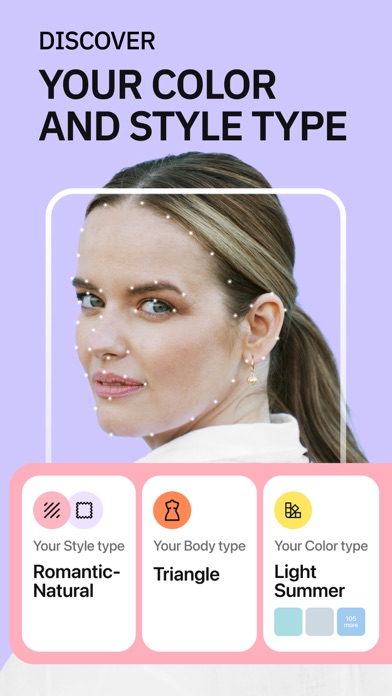
Best for: profile-based color, figure, fit, and shopping suggestions.
Style DNA is a useful specialist when you want a structured profile around color, body type, fit, and product recommendations. Its figure and fit positioning is especially relevant for users who search for body shape guidance before shopping.
Where it is strongest: combining body-profile rules with seasonal color guidance, recommended cuts, shopping filters, and style rules that can be applied before buying. This makes it useful for people who want a profile-first system rather than a daily wardrobe assistant.
Best workflow: use Style DNA to understand your color and fit profile, then test the recommended silhouettes against your real outfits before buying more.
Trade-off: profile-based advice is only as useful as the decisions it changes. If you receive a body type result but keep buying clothes without testing outfits, the label does not solve the wardrobe problem.
3. Acloset
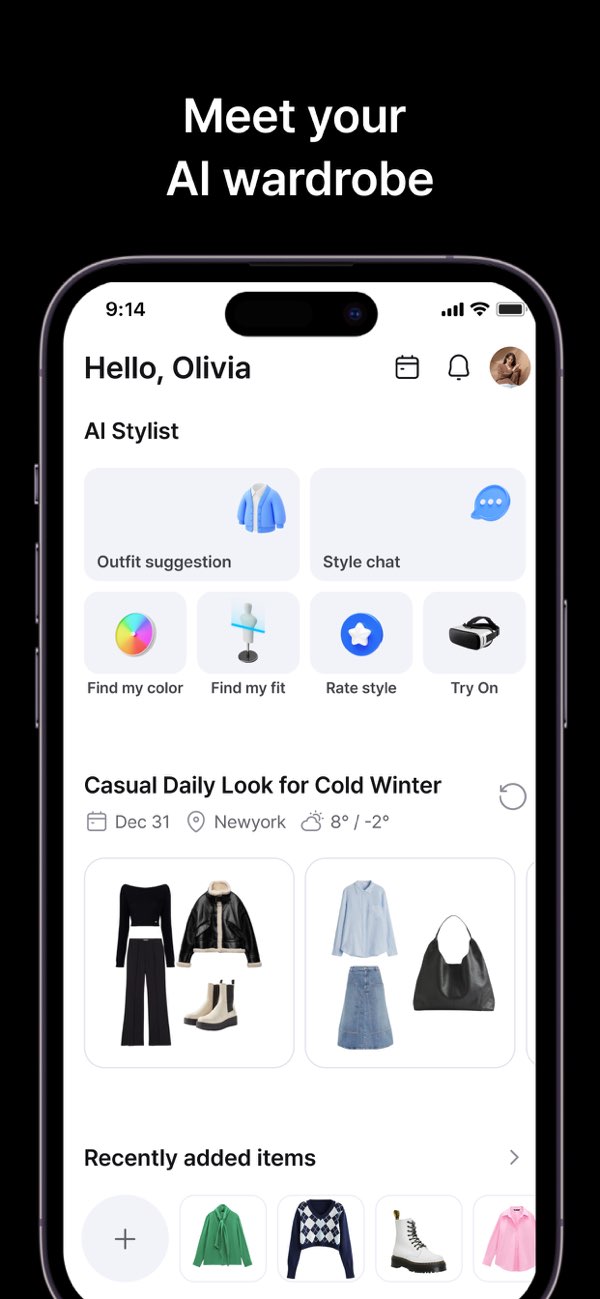
Best for: combining closet uploads with daily outfit planning.
Acloset is strong when your body-shape question is connected to the clothes already in your wardrobe. A closet app can reveal which cuts you repeat, which pieces never get worn, and which outfits get saved but not used.
Where it is strongest: uploading wardrobe items quickly, seeing categories visually, and noticing which silhouettes actually get used. This is helpful because many body-shape problems are not abstract. They show up as repeated behavior: certain trousers never leave the closet, certain jackets always feel wrong, and certain dresses work every time.
Best workflow: tag items by silhouette and occasion, then review which shapes you wear most. If you keep ignoring the same category, the issue may be cut, fabric, or fit rather than style taste.
Trade-off: Acloset may not always explain body proportions deeply. It is strongest when you use it to observe real wearing behavior.
4. OpenWardrobe
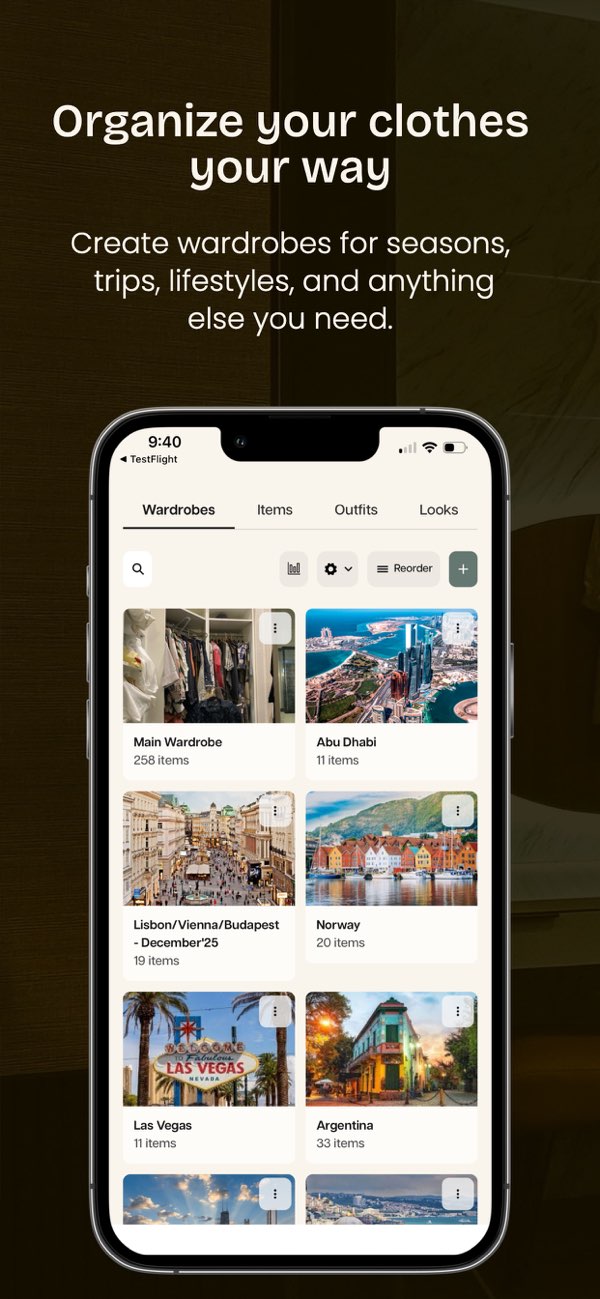
Best for: wardrobe-first style discovery and outfit organization.
OpenWardrobe is useful for people who want style discovery, wardrobe organization, and outfit planning. It fits the body-shape workflow when you treat body type as part of a wider style profile rather than a single answer.
Where it is strongest: organizing outfits, exploring wardrobe combinations, and learning from saved looks. It is useful if you want to build a style direction from what you already own before committing to new purchases.
Best workflow: save outfits that feel balanced, compare them against outfits that feel off, and look for repeated proportion clues such as jacket length, waist placement, shoe shape, or neckline.
Trade-off: OpenWardrobe is stronger as a wardrobe and outfit system than as a narrow body-shape detector.
5. Measurement calculators
Best for: a quick body shape estimate with no photo upload.
A calculator can be a good first step if you want privacy and speed. Take measurements twice, stand naturally, and avoid pulling the tape too tight. Then compare the result with what you actually experience in clothes.
Where they are strongest: fast, low-friction category estimates when you do not want to upload photos. They are also useful for confirming whether you sit between two categories.
Best workflow: use the calculator result as a hypothesis, then test three outfit formulas before changing your shopping habits.
Trade-off: calculators can disagree because they use different thresholds. Do not treat one result as final.
The Body Shape Decision Framework
Use this framework before you accept any body shape result as useful.
| Question | Why it matters | Example answer |
|---|---|---|
| What outfit problem am I solving? | Prevents body shape from becoming abstract | "My blazers feel boxy with jeans" |
| What visual balance do I want? | Different users want different effects | "More waist definition" or "a cleaner long line" |
| Which item repeats the problem? | Turns advice into wardrobe action | "Cropped tops, low-rise trousers, unstructured jackets" |
| Is the issue body shape or garment fit? | Many problems are tailoring, fabric, or size issues | "The shoulders fit, but the waist is too straight" |
| Can I make three outfits with this rule? | Tests whether advice is actually useful | "Belts help two dresses but not my work trousers" |
Body Shape Outfit Examples
These examples show how to use body-shape guidance without becoming rigid.
If you are hourglass
Try a wrap knit top, straight-leg jeans, pointed flats, and a cropped jacket. The outfit follows the waist without turning the entire look into bodycon styling. For work, try a slightly fitted blazer over a column dress rather than an oversized blazer that hides all shape.
If you are pear or triangle
Try wide-leg dark denim, a structured shoulder cardigan, and a brighter top. You are not trying to hide the lower half. You are creating balance by making the top half more intentional. A square neckline or open collar can also help the eye move upward.
If you are inverted triangle
Try a simple fitted top, relaxed trousers, and shoes with visual weight. A-line skirts, cargo pockets, pleats, or textured bottoms can balance broader shoulders without making the outfit look forced.
If you are rectangle
Try a cropped jacket over a longer tee with straight jeans, or a belt over a fluid dress. You can also lean into a clean column silhouette instead of forcing curves. Rectangle styling is not only about creating a waist. Sometimes the strongest look is architectural and simple.
If you are apple or round
Try an open longline layer over a monochrome base, a v-neck or open neckline, and a shoe that keeps the outfit polished. Structure matters. Oversized clothing can add more volume than you want, while fluid fabrics with clear lines can feel easier.
How to Use Beauty AI for Body-Shape Styling
Use this practical workflow when you want more than a calculator result.
- Start with one real outfit photo. Choose an outfit that almost works but feels slightly wrong.
- Describe the occasion. Work, dinner, errands, travel, date night, and event dressing need different answers.
- Ask for proportion feedback. Focus on silhouette, waist placement, length, shoulder balance, shoe weight, and color placement.
- Save the useful rule. For example: "cropped jackets work better than hip-length cardigans with these trousers."
- Apply the rule to three outfits. A rule is worth keeping only if it works across multiple items.
- Use the digital wardrobe to spot patterns. Track what gets repeated, ignored, altered, or returned.
This turns body shape from a label into a practical style system. It also reduces impulse shopping because you stop buying for an imaginary version of your wardrobe.
Privacy Checklist for Body Shape Apps
Body-shape tools may use photos, measurements, body data, or style preferences. Treat those inputs seriously.
- Check whether the app requires full-body photos or can work from measurements.
- Read how photos are stored, processed, and deleted.
- Avoid uploading underwear or sensitive images if a clothed outfit photo is enough.
- Use a neutral pose and plain background for better results.
- Do not use body-shape output as health, weight, or medical guidance.
- Remember that AI analysis can be wrong, especially with unusual poses, loose clothes, cropped photos, or distorted mirror selfies.
Who Should Use a Body Shape App?
A body shape app is useful if you keep buying clothes that look good on the hanger but wrong on your body, if you struggle to translate Pinterest outfits, or if you want clearer rules for cuts and proportions. It is also useful if your style has changed and your old outfit formulas no longer feel right.
It is less useful if you expect one label to solve every outfit. Clothes are affected by fabric, size, tailoring, color, print scale, occasion, shoes, posture, and personal taste. Body shape is one helpful layer, not the whole map.
Bottom Line
A body shape app is valuable when it improves the next outfit you wear. A calculator can give you a quick category. A photo-based AI tool can add convenience. But the strongest result comes from connecting body shape with your wardrobe, colors, lifestyle, and outfit goals.
If you want to move beyond labels, use Beauty AI to test outfit proportions, compare styling options, and turn body-shape guidance into real clothes you can wear this week.


