


A closet cleanout app helps you decide what to keep, sell, donate, repair, or replace using evidence instead of panic. The goal is not to throw away half your wardrobe in one emotional weekend. The goal is to remove the pieces that create friction while protecting the clothes that still have outfit value.
The short answer: the best closet cleanout workflow combines wardrobe inventory, wear tracking, outfit testing, cost-per-wear logic, and AI styling feedback. Use Beauty AI to see what each item can still do before you remove it. If a piece has not been worn, does not fit, needs repair, duplicates something better, or cannot create outfits from your real closet, it becomes a cleanout candidate. If it unlocks multiple outfits, it may deserve a second chance.
This guide shows how to clean out your closet with data: unworn items, poor fit, high cost per wear, duplicate pieces, outfit orphans, true wardrobe gaps, and repair needs. It is designed for people who want a cleaner wardrobe without making wasteful or impulsive decisions.
If you are still setting up the foundation, start with the digital wardrobe app, our digital closet organizer guide, and the best clothing inventory apps comparison.
What Is a Closet Cleanout App?
A closet cleanout app is a wardrobe tool that helps you edit your closet, not just organize it. A basic closet app may store photos of clothing. A cleanout workflow asks harder questions: which items still earn space, which pieces need repair, which clothes should be sold or donated, and which missing pieces are real wardrobe gaps?
The best cleanout apps or workflows help you track:
- wear frequency: how often an item is actually used
- outfit range: how many good outfits the item can support
- fit status: whether it fits your current body and comfort needs
- condition: clean, stained, damaged, altered, or repairable
- cost per wear: whether the item has earned its price over time
- duplicates: whether you own several versions of the same item
- wardrobe gaps: whether the item solves a real need or only creates more clutter
This is why a cleanout is different from closet organization. Organization asks, "Where should this go?" Cleanout asks, "Should this still be here?"
Closet Cleanout vs Digital Closet Organizer
A cleanout app and a digital closet organizer overlap, but they solve different problems. If you confuse them, you can end up with a beautifully cataloged closet that is still full of weak decisions.
| Workflow | Main question | Best for | Success metric |
|---|---|---|---|
| Digital closet organizer | What do I own? | Cataloging clothes, tags, categories, and search | You can find and use items faster |
| Clothing inventory app | What is in my wardrobe system? | Tracking items, categories, purchases, and wardrobe value | You understand wardrobe size, spend, and gaps |
| Closet cleanout app | What should stay? | Keep, sell, donate, repair, and replace decisions | Your wardrobe gets easier to wear, not just smaller |
| Outfit planner | What can I wear? | Testing whether items create real outfits | Saved outfits increase and dead items become obvious |
The Data-Backed Closet Cleanout Framework
Most closet cleanout advice starts with feelings: "Does it spark joy?" That can help, but style decisions also need evidence. Use this framework to classify each item without overthinking.
| Signal | Keep | Repair | Sell or donate |
|---|---|---|---|
| Wear frequency | Worn often or seasonally for a clear reason | Would be worn if fixed | Not worn in 12 months with no realistic occasion |
| Fit | Comfortable now, not "someday" | Small tailoring issue can solve it | Fit problem is structural or uncomfortable |
| Outfit range | Works in at least 3 outfits | Could work with one alteration or missing support piece | Cannot be styled with current wardrobe |
| Condition | Clean, intact, and wearable | Needs buttons, hemming, cleaning, or mending | Damaged beyond repair or not worth fixing |
| Duplicate value | Best version of that item category | Could replace a weaker duplicate after repair | Weaker duplicate of something you already prefer |
| Cost per wear | Already useful or clearly becoming useful | Repair cost is lower than replacement value | Expensive guilt item with no real role |
The Five-Pile Method: Better Than Keep, Donate, Trash
The classic three-pile cleanout is too blunt. A stronger system uses five categories because many clothes are not simply good or bad.
- Keep: pieces you wear, love, and can style now.
- Test: pieces with potential that need three outfit attempts before a final decision.
- Repair or alter: pieces blocked by fixable condition or fit issues.
- Sell: pieces with resale value that do not support your current wardrobe.
- Donate or recycle: usable clothes that should leave quickly, or damaged textiles that need responsible recycling.
The "test" pile is the most important. It prevents impulsive decluttering. If an item might work, do not remove it until Beauty AI or your wardrobe app has helped you test it in real outfits.
The Three-Outfit Rule for Cleanouts
Before removing a non-damaged item, ask whether it can create three wearable outfits with clothes you already own. This is the cleanout version of shopping your closet.
For example, a black blazer might feel too formal. But if it works with straight jeans, a slip dress, and wide-leg trousers, it is not clutter. It is underused. A patterned skirt might feel hard to style. But if it only works with one imaginary top you do not own, it may be an outfit orphan.
Use Beauty AI to test:
- one casual outfit
- one polished outfit
- one outfit that feels specific to your style
If none work, the item becomes a sell, donate, repair, or recycle candidate. If one works, save the formula. If three work, the item stays.
How to Find Wardrobe Gaps During a Cleanout
A cleanout should not only remove items. It should also reveal what is actually missing. The difference between a real gap and a shopping impulse is evidence.
| Signal | Real wardrobe gap | Shopping impulse |
|---|---|---|
| Repeats across outfits | The same missing item improves 3 or more outfits | You saw it once and imagined a new aesthetic |
| Connected to lifestyle | You need it for work, weather, travel, events, or daily routine | It fits a fantasy version of your life |
| Supported by existing clothes | It works with pieces already in your closet | It requires several more purchases |
| Solves a recurring pain point | You repeatedly avoid outfits because this item is missing | You are bored with your closet for one afternoon |
Use a cleanout app to write down gaps only after outfit testing. That order matters. If you make the wishlist first, the cleanout becomes shopping research. If you test the closet first, the wishlist becomes precise.
What Clothes Should I Get Rid Of?
Use this checklist to make decisions faster. You do not need every item to fail every point. One serious failure can be enough if the item creates friction every time you see it.
- Wrong fit: uncomfortable, constantly adjusted, or dependent on a body that is not your current body.
- Wrong lifestyle: no realistic occasion in the next year.
- Wrong maintenance: dry-clean-only, wrinkles easily, stains easily, or requires care you never do.
- Wrong color: consistently makes outfits harder or competes with your best palette.
- Wrong silhouette: fights your proportions, shoes, layers, or personal style.
- Duplicate weakness: a less-loved version of something you already own.
- Guilt item: expensive, gifted, or aspirational, but never worn.
- Repair backlog: waiting for a fix you will not realistically make.
- Outfit orphan: looks good alone but cannot build outfits from your current closet.
How Beauty AI Helps With a Closet Cleanout
Beauty AI helps because it gives you a decision layer between emotion and removal. Instead of asking "Do I like this?" in isolation, you can test what the item does inside outfits.
- Upload or photograph the item. Start with pieces you are unsure about.
- Ask for outfit options from your current wardrobe. Keep the test grounded in what you already own.
- Check color, proportion, and occasion fit. Some items fail because the styling is wrong, not because the item is bad.
- Mark the item as keep, test, repair, sell, donate, or recycle. Use the result as a decision, not just a note.
- Save real wardrobe gaps. Add a shopping item only when it unlocks several existing outfits.
This turns the closet cleanout into a smarter wardrobe edit. You remove clutter, but you also protect hidden outfit value.
Best App Types for Closet Cleanouts
Beauty AI

Best for: AI styling feedback, outfit testing, wardrobe gaps, and cleaner shopping decisions.
Beauty AI is strongest when you are unsure whether an item has potential. It helps you test real styling options before deciding to remove or keep it.
Where it is strongest: the "test" pile. Instead of donating an item because it feels hard to style, you can ask Beauty AI for outfit options, proportion fixes, color adjustments, and realistic gap checks. This helps separate true clutter from pieces that simply need a better formula.
Best workflow: photograph one uncertain item, request three outfit options from your current wardrobe, then classify it as keep, repair, sell, donate, or recycle.
Watch out: do not let AI suggestions become an excuse to keep everything. If an item still fails the outfit test, move it out.
Stylebook
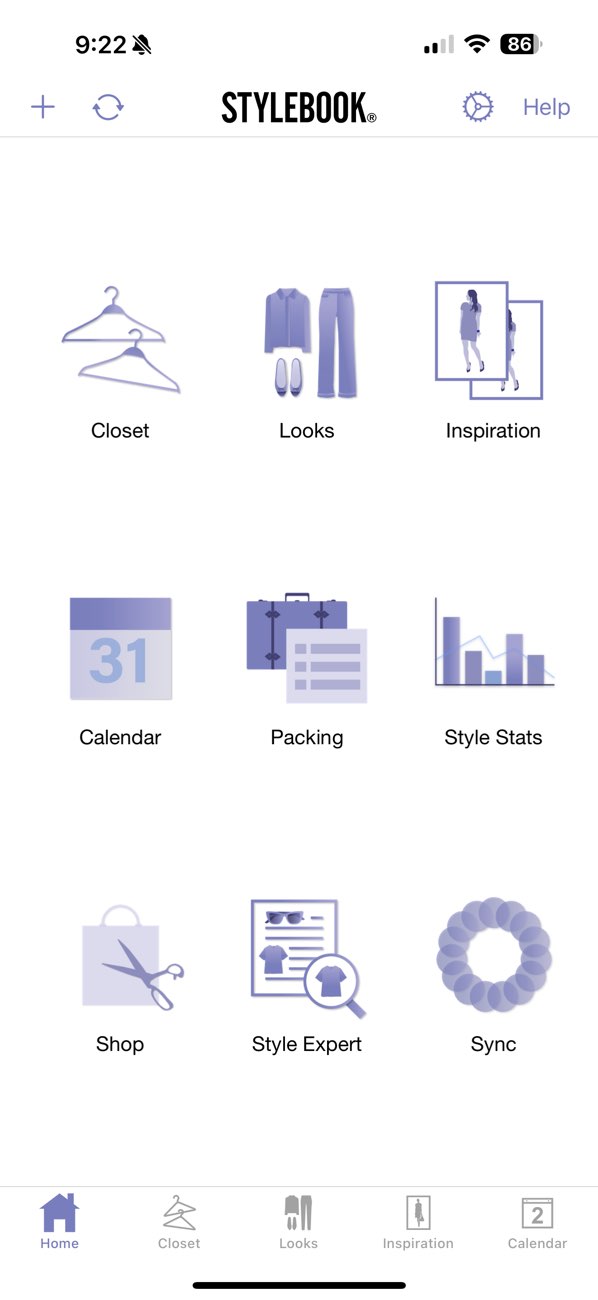
Best for: detailed closet tracking, usage stats, cost per wear, and long-term wardrobe records.
Stylebook is useful if your cleanout decision depends heavily on historical usage and cost-per-wear math. Compare the category more deeply in Beauty AI vs Stylebook.
Where it is strongest: objective closet history. If you want to know how many times a dress was worn, whether a jacket has earned its price, or which categories are overbuilt, Stylebook-style tracking is valuable.
Best workflow: sort by low wear count, high price, and duplicate category, then decide whether each item needs styling, repair, resale, or removal.
Watch out: data can tell you what happened, but it does not always explain why. A low-wear item may still be useful if a simple styling fix unlocks it.
Indyx

Best for: wardrobe editing with a more stylist-led feel.
Indyx is relevant for users who want digital wardrobe tooling plus optional styling support. See Beauty AI vs Indyx if you are comparing workflows.
Where it is strongest: cleanout accountability and wardrobe editing. It works well for people who want a more guided process around what stays, what leaves, and what the closet is trying to become.
Best workflow: use the app to document wardrobe items clearly, then evaluate them against lifestyle, fit, outfit range, and cost-per-wear instead of gut feeling alone.
Watch out: a stylist-led approach can be powerful, but users who want instant AI iteration may prefer Beauty AI's faster outfit-testing loop.
Fits
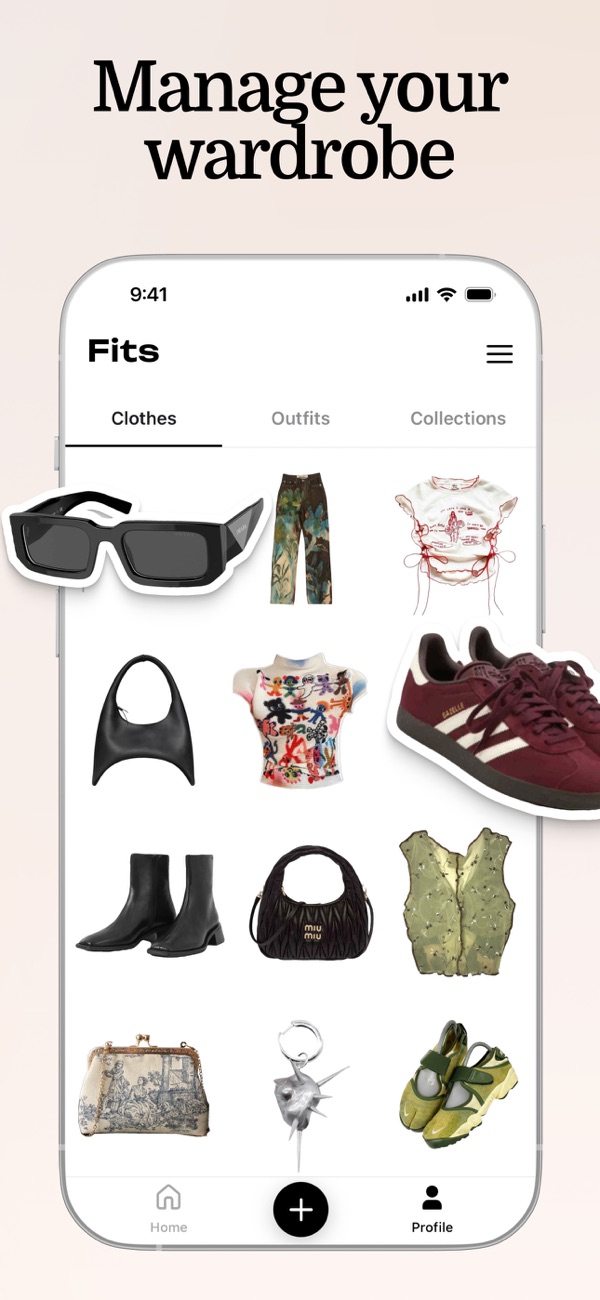
Best for: outfit creation, closet usage, and wardrobe gap thinking.
Fits is relevant because closet cleanouts often reveal gap and usage questions, not just decluttering questions. See Beauty AI vs Fits for a direct comparison.
Where it is strongest: using wardrobe items as building blocks for outfits. This is useful during a cleanout because an item should not be judged only by how it looks alone. It should be judged by whether it helps create outfits.
Best workflow: test whether an uncertain item can create several saved outfits before moving it to sell or donate.
Watch out: gap detection should happen after outfit testing. If you start with a wishlist, the cleanout can turn into another shopping session.
The 60-Minute Closet Cleanout Workflow
If your closet feels overwhelming, do not start with a full-day purge. Use one focused hour.
- Pick one category: denim, jackets, dresses, shoes, sweaters, or work tops.
- Remove everything in that category. Seeing all duplicates together matters.
- Photograph each uncertain item. Add it to Beauty AI or your wardrobe app.
- Tag each item: keep, test, repair, sell, donate, recycle.
- Run the three-outfit test on the test pile. Do not decide from memory only.
- Write down real gaps. Only include missing pieces that improve multiple outfits.
- Move exit items immediately. A donate bag that stays in your closet is not a completed cleanout.
Repeat by category. A closet cleaned in small, accurate passes usually works better than one dramatic purge.
Closet Cleanout Mistakes to Avoid
- Decluttering by mood: tired, frustrated decisions can remove useful clothes.
- Keeping by guilt: price, gifts, and old identities are not enough reason to keep friction.
- Ignoring repairs: repairable items should not sit in the main closet as if they are wearable.
- Buying during the cleanout: finish the edit before shopping.
- Removing all "boring" basics: basics often make stronger items wearable.
- Confusing gaps with trends: a trend is not a gap unless it supports your real wardrobe.
- Skipping data: wear count, outfit range, and cost per wear reveal patterns memory misses.
What to Track After the Cleanout
The best cleanout does not end when the bags leave. Track what happens afterward so the closet does not rebuild the same clutter.
| Metric | Why it matters | How to use it |
|---|---|---|
| Wear count | Shows what actually works | Repeat high-use formulas and question ignored items |
| Cost per wear | Separates expensive mistakes from worthwhile investments | Use the cost-per-wear framework before buying again |
| Saved outfits | Shows whether the closet is easier to use | Track whether new outfit formulas increase |
| Duplicate categories | Prevents repeat buying | Watch overbought categories like black tops, denim, or occasion dresses |
| Wardrobe gaps | Keeps shopping precise | Buy only when a gap supports several existing outfits |
For a deeper data layer, read the wardrobe statistics guide and sustainable wardrobe tracking.
Bottom Line
A closet cleanout app should make your wardrobe easier to wear, not just smaller. The smartest cleanout decisions combine wear data, outfit testing, fit, condition, duplicates, cost per wear, and real wardrobe gaps.
If you want to clean out your closet without losing useful pieces, use Beauty AI to test outfit potential, classify uncertain items, and turn wardrobe clutter into clearer keep, sell, donate, repair, and replace decisions.