

Most people do not search for a clothing inventory app because they love cataloging shirts for fun. They search because their wardrobe feels expensive, messy, underused, and strangely unhelpful. You own more than enough clothes, but the same problems keep repeating: you forget what you have, you buy duplicates, strong pieces disappear into the back of the closet, and getting dressed still takes too long.
That is why demand is growing for terms like clothing inventory app, wardrobe inventory app, closet inventory app, and clothes catalog app. People are not just looking for storage. They want visibility, outfit planning, repeatable combinations, and better shopping decisions. The best apps now go beyond simple inventory and turn wardrobe data into something useful.
This guide compares the best clothing inventory apps in 2026 using the real jobs people need done: cataloging clothes quickly, turning inventory into outfits, tracking what gets worn, spotting actual wardrobe gaps, and making a crowded closet easier to use. Some apps are better as pure catalog tools. Some are stronger as digital wardrobes. A few are much better because they combine inventory with styling logic and planning.
If you want the short answer, Beauty AI is the strongest overall pick because it does not stop at storing clothes. It helps turn wardrobe inventory into better outfit decisions, clearer planning, and smarter shopping. If you want the direct product angle, see our digital wardrobe app page, virtual closet app page, and outfit generator page. If you are comparing inventory-heavy alternatives, start with Beauty AI vs Acloset, Beauty AI vs Stylebook, and Beauty AI vs Whering.
What Is a Clothing Inventory App?
A clothing inventory app is a tool that lets you digitize your wardrobe so you can see what you own, organize it by category or season, and use that inventory for real decisions. In the simplest version, it acts like a closet database. In the better version, it becomes a working wardrobe system.
The strongest apps in this category usually help with four things at once:
- cataloging your clothes without making setup painfully slow
- building outfits from items you already own
- tracking usage, repeats, cost per wear, or wardrobe gaps
- making future shopping decisions less random
That is the difference between a basic clothes catalog app and a high-value wardrobe tool. If the app only stores item photos, it solves part of the problem. If it helps you wear more of what you own and buy with more intention, it becomes much more valuable.
Top 7 Clothing Inventory Apps in 2026
1. Beauty AI

Overview: Beauty AI is the best overall clothing inventory app in this ranking because it treats wardrobe inventory as the starting point for better decisions, not the final goal. Many apps stop at digitizing your closet. Beauty AI goes further by helping you use that inventory for outfit planning, style improvement, and smarter purchasing.
If you want an app that feels like a hybrid of a wardrobe inventory app, an outfit planner, and an AI styling assistant, this is the strongest all-around pick.
Key features:
- digital wardrobe and closet organization
- AI outfit planning and styling support
- outfit scoring and feedback based on real looks
- photo-based fashion search for similar pieces and gap checks
- weekly planning for work, travel, and repeat outfits
Pros:
- best balance of inventory, outfit improvement, and practical daily use
- stronger than most pure inventory apps when you want help deciding what to wear
- useful for shopping restraint because it connects inventory to real wardrobe gaps
- good fit for users who want one app instead of a separate catalog and styling stack
Cons:
- works best when you actively use wardrobe photos and outfit flows
- broader feature set than people who want a bare-bones closet list only
Pricing: free download; premium plans start at $9.99/month or $79.99/year.
Best for: people who want inventory plus outfit planning, visual feedback, and smarter wardrobe decisions in one app.
For that workflow, start with the digital wardrobe page, then see how it connects to our virtual closet page and find clothes from a photo page.
2. Acloset
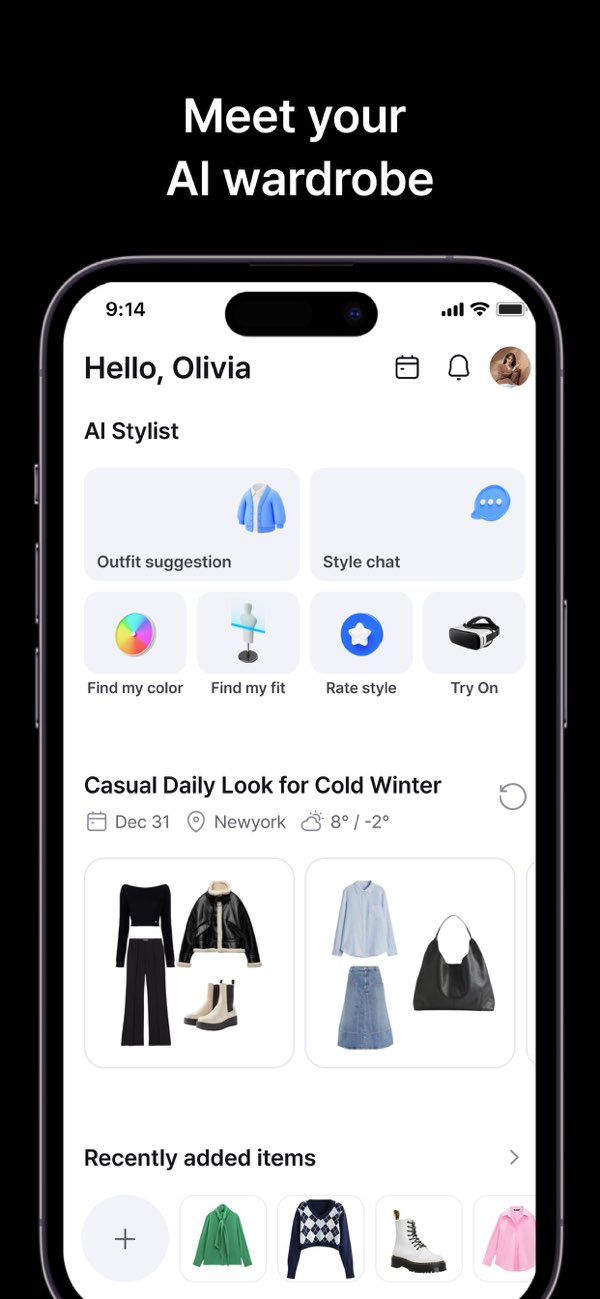
Overview: Acloset is one of the strongest alternatives if your main priority is building a large digital clothing inventory quickly. Its biggest strength is automation. You can add items fast, clean up photos, sort clothes into categories, and then use the same inventory for outfit suggestions, AI chat, and spend tracking.
It feels more inventory-heavy than some style-focused apps, which is exactly why it ranks well here.
Key features:
- quick clothing digitization and photo cleanup
- AI stylist chat and daily outfit ideas
- closet organization by category and usage
- purchase date and wardrobe spend tracking
- inventory-backed outfit recommendations
Pros:
- one of the easiest apps for turning a real closet into a digital inventory
- strong automation compared with more manual catalog tools
- good bridge between closet management and AI styling help
Cons:
- can feel feature-dense if you only want a simple catalog
- best results depend on how much wardrobe data you add
- pricing tiers are broader than some casual users need
Pricing: free to start; paid plans currently range from Basic Monthly at $3.99 to Premium Monthly at $9.99, with higher Expert tiers also available.
Best for: users who want a more automated clothes catalog app with AI support layered on top.
3. Whering
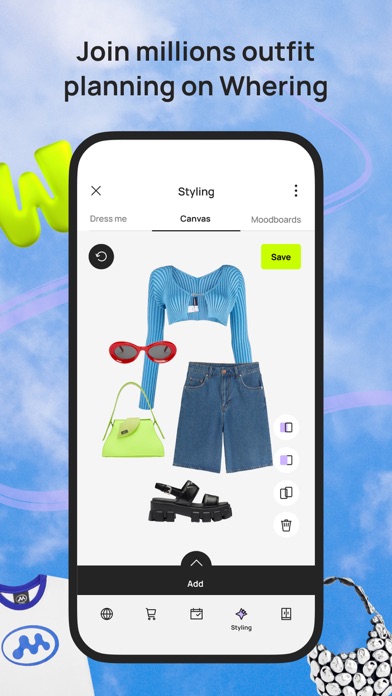
Overview: Whering remains one of the best free options for users who want to build a digital clothing inventory without paying upfront. Its value is not only in storing items. It is in making your wardrobe visible, remixable, and easier to plan from. That makes it one of the strongest picks if your biggest issue is underusing your closet.
It is especially good for users who want a free entry point into digital wardrobe management before paying for more advanced features elsewhere.
Key features:
- free digital wardrobe and clothing catalog
- Dress Me outfit shuffle
- planner, packing lists, moodboards, and wishlists
- cost-per-wear and wardrobe analytics
- social and community styling inspiration
Pros:
- excellent free starting point for a closet inventory app
- strong wardrobe visibility and outfit remixing
- good for packing, repeat outfits, and travel planning
- easy recommendation for users who want value before paying
Cons:
- less direct outfit critique than the best AI-first tools
- tagging quality can affect how useful the inventory feels later
- community features matter a lot to some users and not at all to others
Pricing: core app is free; optional purchases include add-ons, credits, and supporter tiers.
Best for: users who want a free wardrobe inventory app that also helps with outfit rotation and planning.
4. GetWardrobe
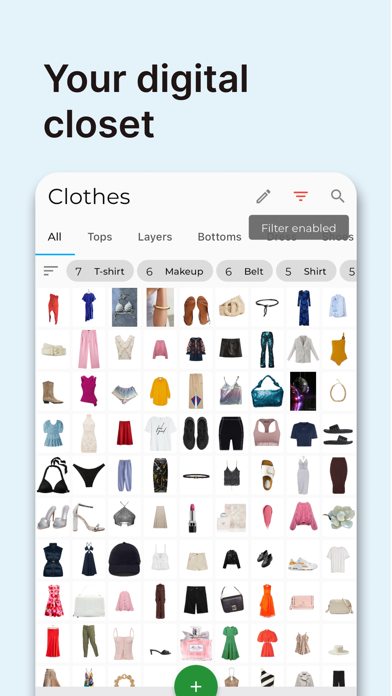
Overview: GetWardrobe is one of the clearest pure inventory-first tools in the category. If your top priority is keeping a usable digital record of what you own, organizing it cleanly, and then building outfits from that record, it makes a lot of sense. It feels more straightforward and database-oriented than apps that lead with AI or inspiration.
That narrower focus is also its advantage. It is designed to answer a very practical question: what exactly is in my wardrobe, and how do I get more use from it?
Key features:
- digital wardrobe catalog with categories and outfit boards
- calendar planning and outfit scheduling
- packing lists and travel support
- wardrobe statistics and usage tracking
- clean inventory workflow for larger closets
Pros:
- very practical for users who want a focused clothing inventory tool
- good balance of cataloging and everyday planning
- strong fit for people who care more about wardrobe structure than AI novelty
Cons:
- less AI-driven than newer styling apps
- visual polish is more functional than premium
- not the best choice if you mainly want instant style advice
Pricing: free to start; premium inventory and planning features vary by platform and in-app plan.
Best for: users who want a straightforward clothing inventory app with clean wardrobe organization and scheduling.
5. OpenWardrobe
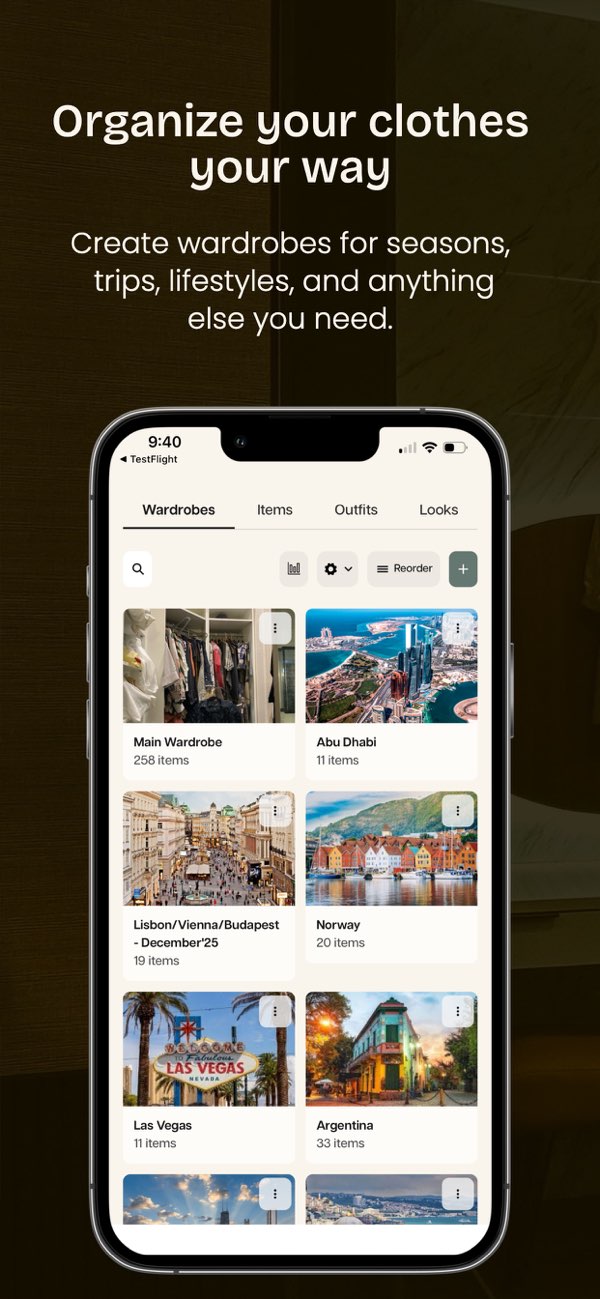
Overview: OpenWardrobe is a smart option if your inventory is only part of a bigger wardrobe system. It combines clothing cataloging with outfit planning, wardrobe insights, resale value, and AI suggestions. That makes it more strategic than a basic closet database and more useful for people trying to shop less randomly.
Inventory here is not just about counting clothes. It is about understanding the value and use of what you already own.
Key features:
- LolaAI outfit support based on your wardrobe
- calendar planning and unlimited items, outfits, and looks
- wardrobe insights including cost per wear and usage patterns
- resale, repair, and style blueprint support
- inventory paired with more intentional shopping logic
Pros:
- strong for users who want wardrobe intelligence, not just storage
- good sustainability and resale angle
- helpful for seeing how inventory connects to actual wear and value
Cons:
- pricing is less transparent than some alternatives
- best experience depends on building a fairly complete wardrobe dataset
- more closet-system-first than instant-answer-first
Pricing: free to start; some premium features are tied to membership or add-ons, with pricing varying by plan.
Best for: users who want a wardrobe inventory app with resale, analytics, and intentional shopping support.
6. Stylebook
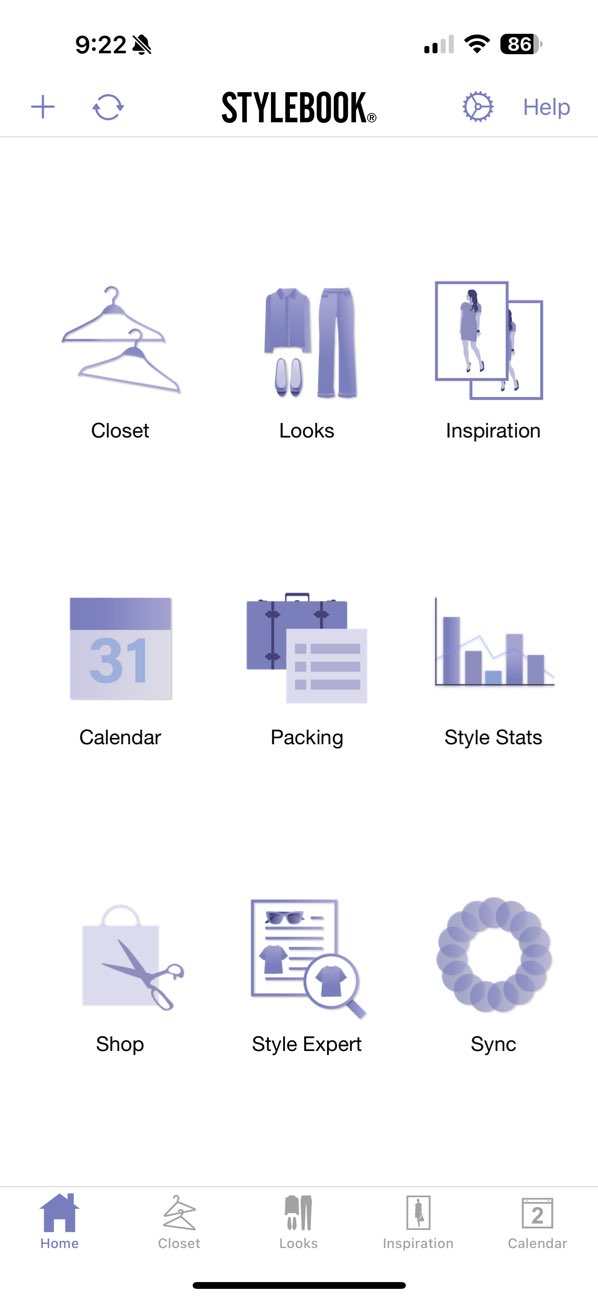
Overview: Stylebook is still one of the classic inventory apps because it takes wardrobe cataloging seriously. It is more manual than AI-native competitors, but that manual control is exactly why many users still love it. If you want to organize, track, plan, and analyze your clothes in a detailed way, Stylebook is still one of the strongest tools in the category.
It is especially effective for people who like complete control over their closet data, outfit calendar, and travel planning.
Key features:
- manual digital closet management
- outfit calendar and packing lists
- style statistics and wardrobe tracking
- outfit library and saved combinations
- strong long-term planning workflow for detailed users
Pros:
- one of the most established inventory-first wardrobe apps
- great for detail-heavy users who want a serious catalog
- strong planning, travel, and wardrobe stats tools
Cons:
- more manual work than newer AI-driven alternatives
- not ideal if you want automated item setup
- closer to a precise closet database than an active AI stylist
Pricing: one-time paid purchase on the App Store.
Best for: users who want a classic clothes catalog app with deep manual organization and planning control.
7. Indyx
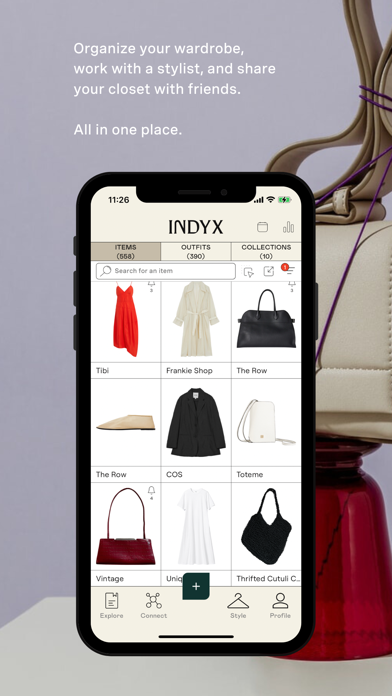
Overview: Indyx earns its place because it blends inventory, wardrobe boards, AI-assisted cataloging, and optional human styling support. It is not the cheapest or simplest app here, but it is strong for people who want their inventory to feel elevated and useful rather than purely administrative.
It is one of the better picks if your closet is larger, your style is more considered, and you want structure plus occasional expert help.
Key features:
- AI auto-tagging, background removal, and image optimization
- digital wardrobe with receipt and link imports
- drag-and-drop outfit boards
- cost-per-wear tracking and closet sharing
- optional human styling services
Pros:
- good hybrid of wardrobe inventory and higher-touch support
- strong for users with larger or more curated wardrobes
- useful if you want more than a basic closet spreadsheet app
Cons:
- less focused on instant everyday answers than the top picks
- best value skews toward more involved wardrobe users
- premium feel comes with premium pricing
Pricing: free to start; membership is currently listed at $12.99/month or $74.99/year, with separate styling services beyond that.
Best for: users who want a wardrobe inventory app with optional human guidance and more polished closet management.
Which Clothing Inventory App Is Best for You?
The best app depends on what you really need inventory to do after the catalog is built.
- If you want the best all-around clothing inventory app: choose Beauty AI.
- If you want the fastest AI-assisted closet setup: choose Acloset.
- If you want the best free wardrobe inventory app: choose Whering.
- If you want a more inventory-first planning tool: choose GetWardrobe.
- If you want wardrobe analytics, resale, and longer-term value tracking: choose OpenWardrobe.
- If you want detailed manual control: choose Stylebook.
- If you want inventory plus optional human styling support: choose Indyx.
The practical rule is simple. If your main problem is clutter and low visibility, a strong inventory-first app will already help. If your main problem is not knowing what to do with the clothes once they are cataloged, then the better choice is the app that turns inventory into outfit decisions.
Why This Category Keeps Growing
Clothing inventory tools are growing because digital wardrobes now solve more than one problem at once. They reduce forgotten clothes, surface underused pieces, support packing, help with resale, and make shopping more intentional. In other words, inventory is becoming the foundation for wardrobe intelligence.
This is also why simple closet storage is no longer enough. Users expect a modern closet inventory app to answer practical questions like:
- What have I not worn in months?
- Which shoes or basics do I actually need?
- What can I wear with this new item before I buy it?
- Which outfits are already proven and easy to repeat?
The strongest apps are the ones that turn inventory into action. That is where the market is moving, and that is where the best products now win.
Final Verdict
If you are looking for the best clothing inventory app in 2026, Beauty AI is the strongest overall choice because it takes the closet-inventory job seriously and then builds on top of it with planning, outfit feedback, and shopping logic. Acloset is the best alternative for a more automated AI-heavy setup. Whering is still the best free entry point. GetWardrobe is a very practical inventory-first organizer. OpenWardrobe is excellent if you care about value, resale, and wardrobe analytics. Stylebook is still a great classic for detailed manual users. Indyx is the most premium hybrid option.
The important thing is not just cataloging your wardrobe. It is choosing the app that helps you do something better with that catalog. If you want the broadest day-to-day value, start with Beauty AI. Visit the digital wardrobe page, the virtual closet page, and the outfit generator page, then compare direct alternatives in Beauty AI vs Acloset, Beauty AI vs Stylebook, or the full App Comparisons hub.


