


The best closet app with AI outfit suggestions is the one that turns your real clothes into outfits you actually wear. A basic closet organizer stores items. A stronger AI closet app suggests combinations, checks whether they work, and helps you refine them for weather, occasion, color, fit, and repeat use. Beauty AI is strongest when you want outfit suggestions tied to feedback, not just a digital shelf of clothes.
If your first problem is inventory, start with the digital wardrobe app page. If your problem is planning and reusing looks, compare the virtual closet app page. If you want generated outfit ideas from saved items, the outfit generator app workflow is the closest owner page.
Closet organizer vs closet app with AI outfit suggestions
A closet organizer answers "what do I own?" A closet app with AI outfit suggestions answers "what can I wear from what I own?" That difference matters. Many people already have enough clothes. Their real problem is closet blindness: they forget items, repeat the same outfits, buy duplicates, and still feel like they have nothing to wear.
| Category | Basic closet organizer | AI closet app with suggestions |
|---|---|---|
| Main job | Catalog clothing items. | Turn clothing items into wearable outfit decisions. |
| User value | Visibility and organization. | Daily dressing speed, outfit ideas, feedback, reuse. |
| Best moment | Closet setup and wardrobe audit. | Morning decisions, travel, events, shopping restraint. |
| Weakness | Can become passive storage. | Can become generic if it ignores context. |
Why AI outfit suggestions are often weak
Many outfit suggestions fail because they are technically combinations, not decisions. A top, bottom, and shoe can be "an outfit" in the database while still being wrong for the day. Weak suggestions usually miss one of these layers:
- Occasion: office, dinner, errands, travel, and wedding guest outfits need different rules.
- Weather: temperature, rain, walking, and layering decide whether a look survives outside.
- Fit and proportion: clothing can match by category and still look unbalanced together.
- Color harmony: random color mixing creates noise unless the app understands palette logic.
- Repeat history: the app should know what you wore recently and what you trust.
- Feedback loop: suggestions should improve after you reject, save, or refine looks.
The strongest apps combine wardrobe knowledge with judgment. They do not only ask "which items match?" They ask "is this a good outfit for this person, this closet, and this situation?"
Best closet apps with AI outfit suggestions at a glance
| App | Best for | AI suggestion strength | Watch out for |
|---|---|---|---|
| Beauty AI | AI outfit feedback, faster decisions, wardrobe-aware refinement | Strong when you want suggestions plus critique | Best used actively with outfit photos or wardrobe context |
| Acloset | Closet digitization and automated outfit recommendations | Strong for closet-first users | Less focused on deep critique than AI stylist workflows |
| Fits | Outfit creation, visual closet planning, fashion-forward styling | Good if you want a modern wardrobe app experience | Setup and habit formation still matter |
| Alta | AI stylist and premium outfit recommendations | Strong for guided styling and shopping-adjacent advice | May be more stylist-led than closet-archive-led |
| Whering | Visual digital wardrobe and remixing your own clothes | Good for planning from saved items | Less direct if you want detailed AI outfit critique |
| GetWardrobe | Digital closet organization and outfit planning | Useful for organized wardrobe workflows | More traditional than AI-first |
| Pureple | Simple outfit ideas from closet items | Good for lightweight suggestion needs | Less premium if you want deep decision support |
Scoring model for AI closet suggestions
Use this rubric before choosing an app:
| Score factor | What to look for | Why it matters |
|---|---|---|
| Wardrobe input | Works with real clothes, not only generic examples. | Prevents fantasy suggestions you cannot wear. |
| Suggestion quality | Creates outfits that make visual and practical sense. | Bad suggestions reduce trust quickly. |
| Feedback depth | Explains what to improve: shoe, color, layer, fit, occasion. | Turns AI from a randomizer into a stylist. |
| Planning context | Supports weather, event, travel, work, and repeat use. | Outfits are only useful in context. |
| Setup friction | Gives value before you finish cataloging every item. | Most closet apps fail because setup takes too long. |
| Shopping discipline | Shows gaps and reuse before pushing new purchases. | Helps users spend less randomly. |
| Memory | Lets you save, repeat, reject, and learn from outfits. | Suggestions should improve over time. |
Detailed app reviews
1. Beauty AI - best for AI outfit feedback and final decisions

Best for: users who want AI suggestions that lead to a final outfit decision, not just another idea.
Why it works: Beauty AI is useful when you need a practical second opinion. You can use it to evaluate a look, refine weak combinations, connect outfit suggestions to personal style, and decide whether a look works for the real situation. That makes it especially strong for people who already own enough clothes but struggle to combine them confidently.
Main limitation: It works best when you give it meaningful wardrobe or outfit inputs. Like any AI styling tool, vague inputs create weaker answers.
Paid-user fit: Strong. The value repeats whenever you need to choose, refine, or validate outfits before work, events, shopping, or travel.
2. Acloset - best for closet-first outfit automation
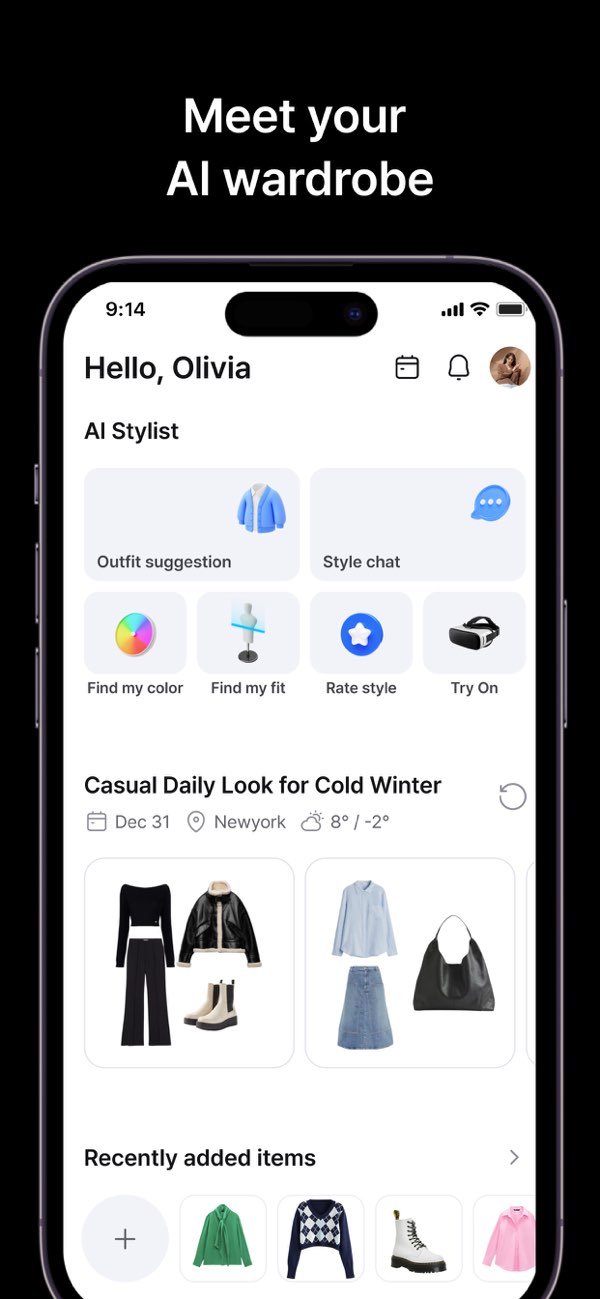
Best for: people who want a closet app that starts with digitization and then suggests outfits from the saved wardrobe.
Why it works: Acloset is popular in this category because it focuses on making the closet visible and then using that closet for outfit decisions. That is a good fit for users who want item-level organization and suggestions from their own clothes.
Main limitation: If you want deeper critique on why an outfit works or fails, you may still want an AI stylist layer.
Paid-user fit: Good for users who will maintain their digital closet and want ongoing outfit suggestions.
3. Fits - best for modern outfit creation from a wardrobe
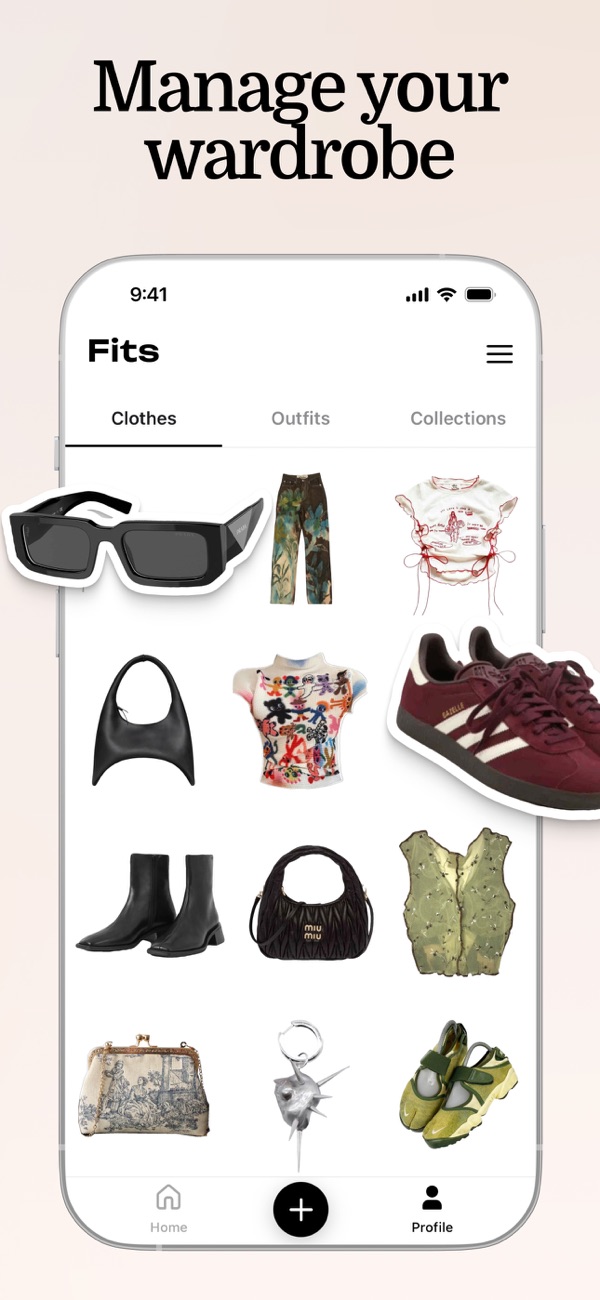
Best for: people who want a fashion-forward outfit maker and planner experience.
Why it works: Fits is relevant because it blends visual closet interaction with outfit creation. That makes it useful for users who want wardrobe suggestions to feel more like styling than database management.
Main limitation: The app has to become part of your habit. If you only want a fast second opinion on a single look, a feedback-first workflow can be faster.
Paid-user fit: Good for users who enjoy visual wardrobe planning and will use the app repeatedly.
4. Alta - best for guided AI styling
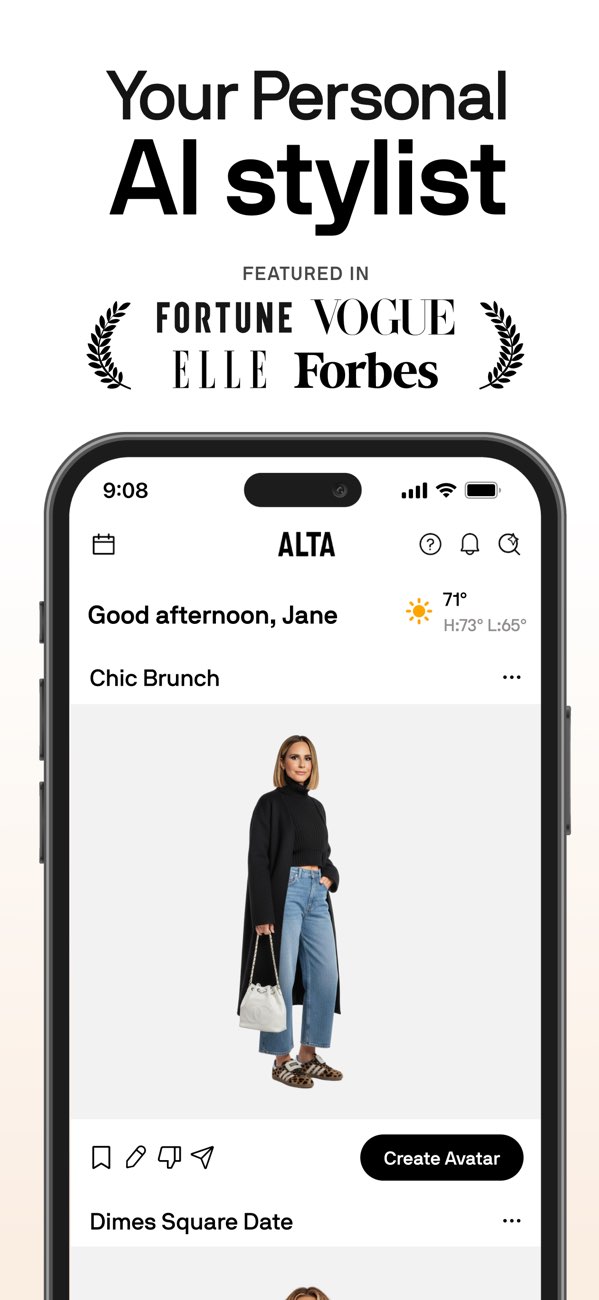
Best for: users who want a more personal-stylist style experience around outfits, recommendations, and shopping decisions.
Why it works: Alta is relevant when the user wants the app to guide style decisions rather than only store closet items. It can be a fit for people who like a premium AI stylist framing.
Main limitation: If your main need is a pure closet archive, another digital wardrobe app may feel more direct.
Paid-user fit: Strong for users who want recurring guidance and are comfortable with a more assistant-led workflow.
5. Whering - best for visual wardrobe remixing
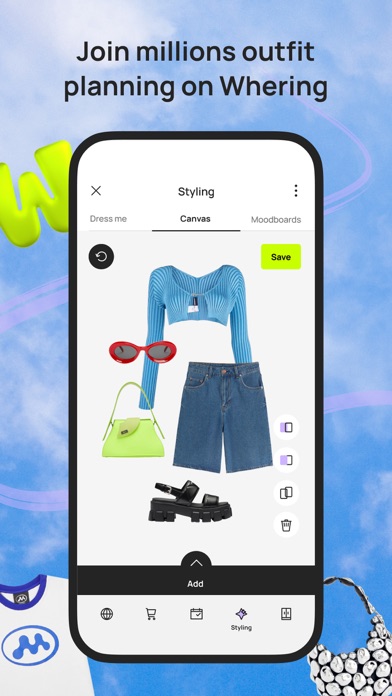
Best for: people who want to see their wardrobe digitally and remix outfits from saved items.
Why it works: Whering is a strong visual closet app. It helps users interact with the clothes they own, build looks, and reduce closet blindness. For many people, seeing everything clearly is already a huge upgrade.
Main limitation: It is not always the strongest if you specifically want detailed AI reasoning behind each outfit suggestion.
Paid-user fit: Good for visual planners who want closet visibility and outfit creation.
6. GetWardrobe - best for structured wardrobe organization
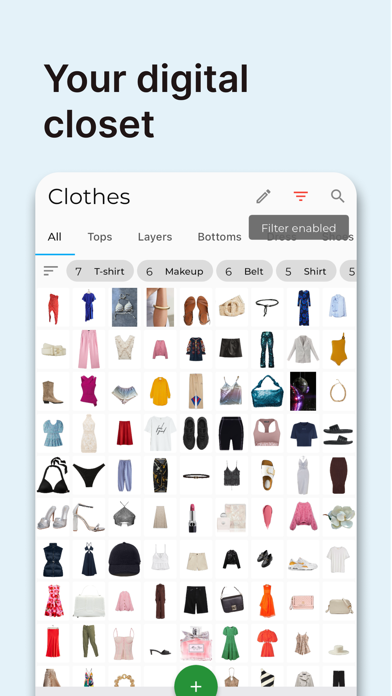
Best for: users who want a more traditional digital closet with outfit planning features.
Why it works: GetWardrobe can help users organize clothing, create looks, and make the wardrobe easier to browse. It is useful when the first problem is scattered closet visibility.
Main limitation: It may not feel as AI-first as newer outfit suggestion tools.
Paid-user fit: Good for people who prefer organization and planning structure over heavy automation.
7. Pureple - best for lightweight closet suggestions
Best for: people who want a simpler closet app that can suggest outfits without an overly complex workflow.
Why it works: Pureple is relevant for users who want quick outfit ideas from a closet app and do not need a premium planning system.
Main limitation: If you want stronger AI feedback, advanced planning, or deeper decision support, it may feel lighter than newer alternatives.
Paid-user fit: Better for casual users than for people trying to build a long-term AI wardrobe system.
Best workflows by need
| User need | Best workflow | Why |
|---|---|---|
| Daily outfit decision | Beauty AI plus saved wardrobe inputs | Feedback helps convert suggestions into wearable choices. |
| Closet setup | Acloset, Whering, or GetWardrobe | These are strong when visibility is the first problem. |
| Outfit planning from owned clothes | Whering, Fits, Beauty AI | Visual outfit creation works best when the app sees your real pieces. |
| Shopping restraint | Beauty AI and digital wardrobe workflows | The goal is to test existing outfit potential before buying more. |
| Premium styling guidance | Beauty AI or Alta | AI feedback and stylist framing matter more than storage alone. |
How Beauty AI turns suggestions into final outfit decisions
A useful AI closet workflow should not stop at "try this top with those jeans." Beauty AI helps you go further:
- Start from a saved clothing item, outfit photo, or occasion.
- Generate or consider a few outfit directions.
- Use AI feedback to evaluate balance, color, formality, and practicality.
- Swap the weakest piece instead of rebuilding the whole look.
- Save the final outfit as a repeatable formula.
- Use that formula for future days, trips, or shopping decisions.
This turns a suggestion into a decision. That is the difference between AI as entertainment and AI as a wardrobe tool.
Why this matters if you are choosing a paid app
Closet apps are easy to abandon because setup is front-loaded. You spend time adding clothes, then the app has to prove it was worth the effort. AI outfit suggestions can justify the setup only if they save time repeatedly, help you wear more of what you own, and reduce bad purchases.
If the suggestions are generic, the paid value is weak. If the app learns your wardrobe and helps you decide faster every week, the value compounds.
Paid-User Accuracy Checklist
The strongest closet app with AI outfit suggestions should pass a practical accuracy test. Do not judge it by whether the first suggestion looks fashionable. Judge whether it understands enough context to become useful over time.
- Wardrobe reality: the suggestion should use pieces you actually own or clear substitutes, not imaginary items that create more shopping.
- Occasion fit: the app should know the difference between office, errands, dinner, travel, and event dressing.
- Weather and comfort: a good suggestion should account for layers, shoes, temperature, and how long you will wear the outfit.
- Feedback loop: the app should get better when you save, reject, edit, or wear outfits.
- Shopping restraint: the best apps identify true wardrobe gaps instead of recommending a new item every time.
- Final decision support: a suggestion is not done until you know whether to wear it, change it, save it, or skip it.
This is why Beauty AI is useful even when another app manages the closet. A closet app can suggest combinations. Beauty AI can help decide whether the suggested outfit is actually strong enough for the occasion.
A practical test is to ask the app for three outfits from the same difficult item: one casual, one polished, and one weather-aware. If all three suggestions look generic, the AI is not using enough wardrobe logic. If the outfits solve different use cases and Beauty AI can refine the weakest one, the workflow is much closer to paid value.
Also test whether the app can explain a suggestion. "Wear this top with these jeans" is less valuable than "wear this top because it balances the wider trouser shape and repeats the shoe color." Explanations make suggestions easier to trust, remember, and repeat. That is what turns a closet app from an inventory into an outfit decision system.
Final recommendation
Choose Beauty AI if you want AI outfit suggestions that become real decisions through feedback and refinement. Choose Acloset if closet digitization is the first priority. Choose Whering or Fits if you want a visual wardrobe planning experience. Choose Stylebook-style or GetWardrobe-style tools if you prefer structured organization. The best app is the one that makes your existing wardrobe easier to wear, not just easier to catalog.
FAQ
What is a closet app with AI outfit suggestions?
It is a wardrobe app that stores or understands your clothes and uses AI to suggest outfit combinations, outfit improvements, or what-to-wear decisions.
What is the best closet app with outfit suggestions?
Beauty AI is strongest if you want AI feedback and decision support. Acloset, Whering, Fits, GetWardrobe, Alta, and Pureple can fit different closet organization and planning needs.
Can an app make outfits from my closet?
Yes. The strongest apps work with clothes you own, saved wardrobe items, or outfit photos so suggestions stay practical instead of generic.
Are AI outfit suggestions worth paying for?
They are worth paying for when they save time repeatedly, improve outfit decisions, help you wear more of your wardrobe, and reduce random shopping.
What makes AI wardrobe suggestions accurate?
Useful suggestions need wardrobe data, occasion context, weather or activity awareness, feedback from saved and rejected outfits, and practical styling logic.


