


The best outfit tracker apps in 2026 solve a very specific problem: they show what you are actually wearing, what deserves repeating, and what your wardrobe keeps ignoring. Most people do not search for an outfit tracker app because they want another lifestyle toy on their phone. They search because they keep wearing the same safe looks, forgetting good combinations, and buying new clothes without really knowing how their wardrobe is performing.
This guide compares the best outfit tracker apps using the real jobs people want solved: logging outfits fast, tracking repeat looks, building a visual outfit history, seeing what actually gets worn, and turning that history into better style decisions. Some apps are better for photo logging. Some are stronger for wardrobe planning. A few become much more useful because they connect outfit tracking to styling logic and closet organization.
If you want the short answer, Beauty AI is the strongest overall pick because it does more than log outfits. It helps you track, improve, and reuse looks with clearer feedback and a smarter wardrobe workflow. If you want the direct product angle, see our outfit generator page, digital wardrobe app page, and AI stylist app page.
What Is an Outfit Tracker App?
An outfit tracker app helps you record what you wear over time so your wardrobe becomes measurable instead of vague. In the simplest version, it works like a visual diary. In the better version, it becomes a practical decision tool: you can see which outfits repeat well, which clothes are underused, which combinations feel strongest, and whether your shopping habits are actually improving your wardrobe.
The best apps in this category usually help with four things:
- logging what you wore quickly without too much friction
- seeing your outfit history by day, week, or occasion
- identifying repeat winners and weak patterns
- turning that history into better planning and smarter purchases
That is the real difference between a basic outfit diary and a stronger wardrobe tracker app. If the app only stores outfit photos, it is useful. If it helps you dress better because of what it tracks, it becomes much more valuable.
Top 7 Outfit Tracker Apps in 2026
1. Beauty AI

Overview: Beauty AI is the best overall outfit tracker app in this list because it treats tracking as part of a smarter style loop. Instead of only storing past looks, it helps you evaluate them, improve them, and reuse the strongest combinations. That makes the app more useful than a pure outfit diary.
Key features:
- save and review real outfits
- AI outfit scoring and practical visual feedback
- digital wardrobe and planning support
- weekly outfit planning for work, travel, and everyday life
- photo-based inspiration and gap-checking workflow
Pros:
- best all-around balance of tracking, outfit improvement, and wardrobe planning
- stronger than most logging apps because it helps with future decisions too
- useful if you want to repeat good outfits more intentionally
- good fit for users who want both memory and momentum from the app
Cons:
- works best when you actively upload and review real looks
- broader than minimal tracker apps, so there is more depth to explore
Pricing: free download; premium plans start at $9.99/month or $79.99/year.
Best for: people who want to log outfits, improve them, and build a more repeatable style system.
2. Whering
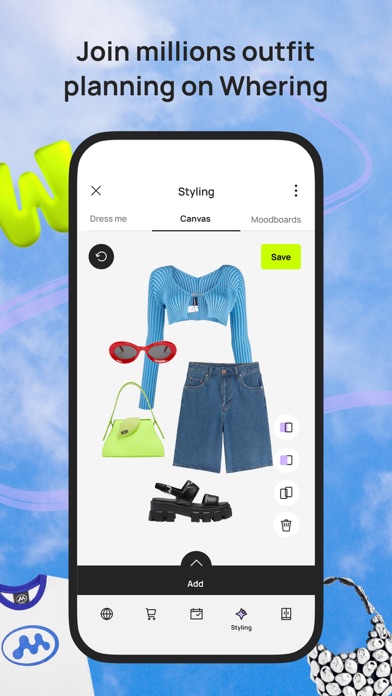
Overview: Whering is one of the strongest free choices if your main goal is to track outfits visually and get more mileage out of your wardrobe. The app does a good job of making your looks visible over time, especially if you like planning outfits, remixing them, and keeping a clear view of what you wear most often.
Key features:
- digital wardrobe and outfit logging
- Dress Me shuffle for remixing
- planner, packing lists, and moodboards
- cost-per-wear and wardrobe analytics
- visual outfit history through saved looks
Pros:
- excellent free entry point
- strong for outfit visibility and repeat planning
- helpful if you want to track use without paying immediately
Cons:
- less direct feedback on why an outfit works
- tracking value depends on how well your wardrobe is built in-app
Pricing: core app is free; some add-ons and extra tools are paid.
Best for: users who want a free outfit diary app that also supports planning and outfit rotation.
3. Acloset
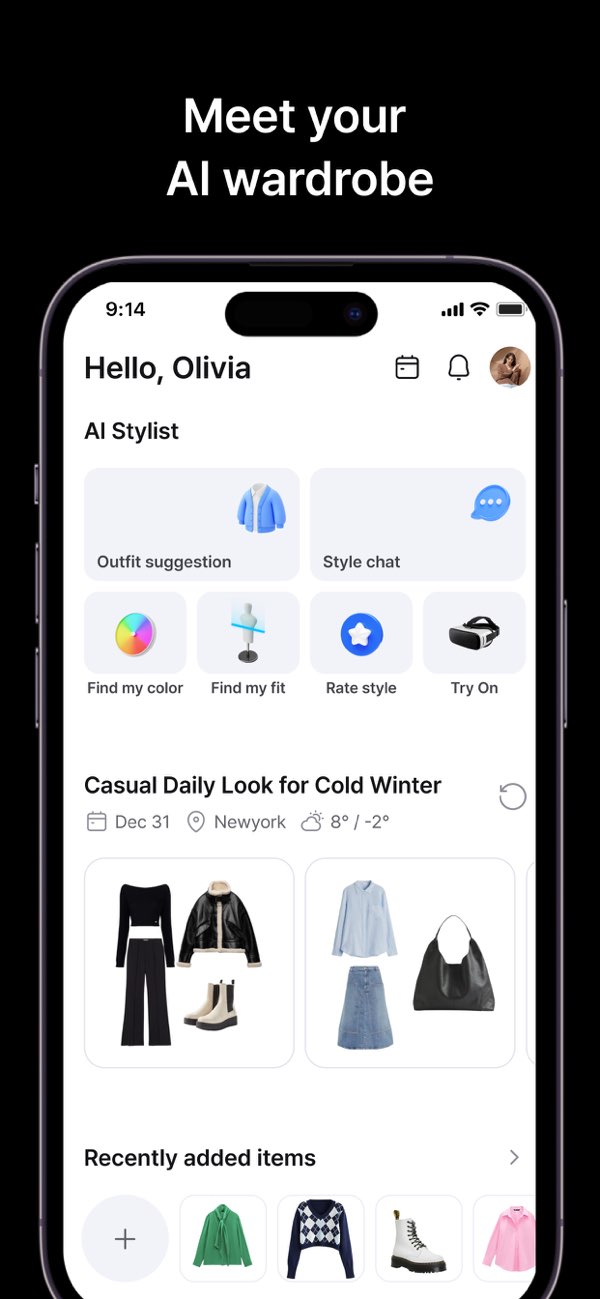
Overview: Acloset is a good fit if you want outfit tracking plus a more AI-heavy closet workflow. It helps you digitize your wardrobe quickly, save outfits, track clothing usage, and use AI styling features in the same environment. That makes it more useful than a simple “what I wore” log if you also care about organization.
Key features:
- digital wardrobe with quick item upload
- saved outfits and daily outfit support
- purchase date and spend tracking
- AI stylist chat
- closet insights tied to actual usage
Pros:
- strong mix of wardrobe tracking and AI guidance
- good for users who want automation in setup
- more system-oriented than basic tracker apps
Cons:
- can feel denser than users need if they only want a diary
- value depends on building enough wardrobe data
Pricing: free to start; paid tiers currently range from $3.99/month to $9.99/month and above.
Best for: users who want a wardrobe tracker app with AI assistance and closet management in one place.
4. Stylebook
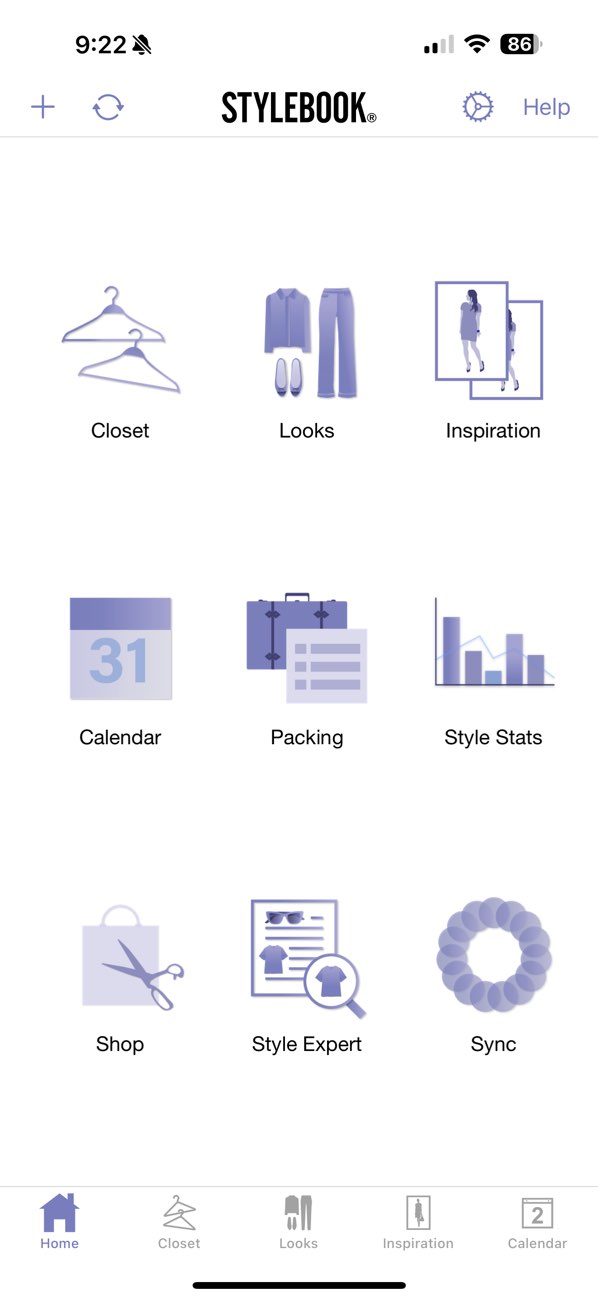
Overview: Stylebook is still one of the strongest choices if you care specifically about visual outfit history and calendar-style tracking. Its classic strength is helping you log outfits, view them over time, clone strong combinations, and understand what actually gets worn. It is less AI-forward, but still excellent for people who want a serious manual system.
Key features:
- outfit calendar and visual history
- saved looks and repeat planning
- packing lists and travel support
- wardrobe statistics and usage data
- closet organization tied to outfit logging
Pros:
- one of the best traditional options for outfit history
- great for users who want calendar-style review
- useful for long-term wardrobe habits and repeat analysis
Cons:
- more manual than newer AI apps
- not ideal if you want instant styling feedback from photos
Pricing: one-time paid purchase on the App Store.
Best for: users who want a classic outfit calendar app with deep manual tracking.
5. GetWardrobe
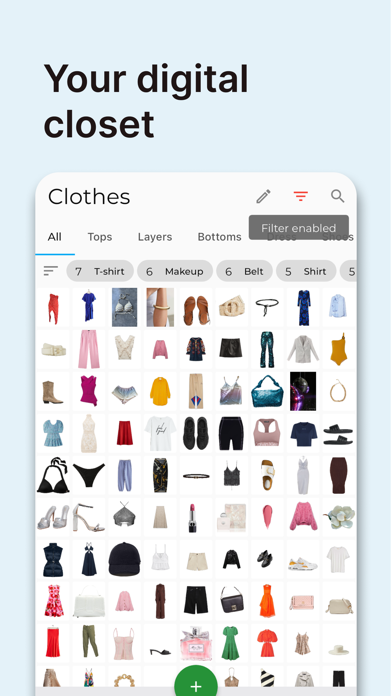
Overview: GetWardrobe makes sense if your version of outfit tracking is more structured and planner-driven. It is less about casual logging and more about building a clean digital wardrobe, saving looks, and seeing your outfit use inside a more organized system. That makes it appealing for users who want a practical, inventory-backed tracker.
Key features:
- digital wardrobe and outfit boards
- calendar-based outfit planning
- tracking usage across saved looks
- packing lists and trip support
- wardrobe statistics and insights
Pros:
- clear, practical structure
- good for users who want planning plus logging
- works well when you care about outfit reuse, not only inspiration
Cons:
- less AI-native than some newer alternatives
- less emotionally engaging than stronger visual-style apps
Pricing: free to start; current App Store listing shows premium from $4.99/month or $34.99/year, plus extra AI credit packs.
Best for: users who want a more structured track what I wore app connected to wardrobe planning.
6. OpenWardrobe
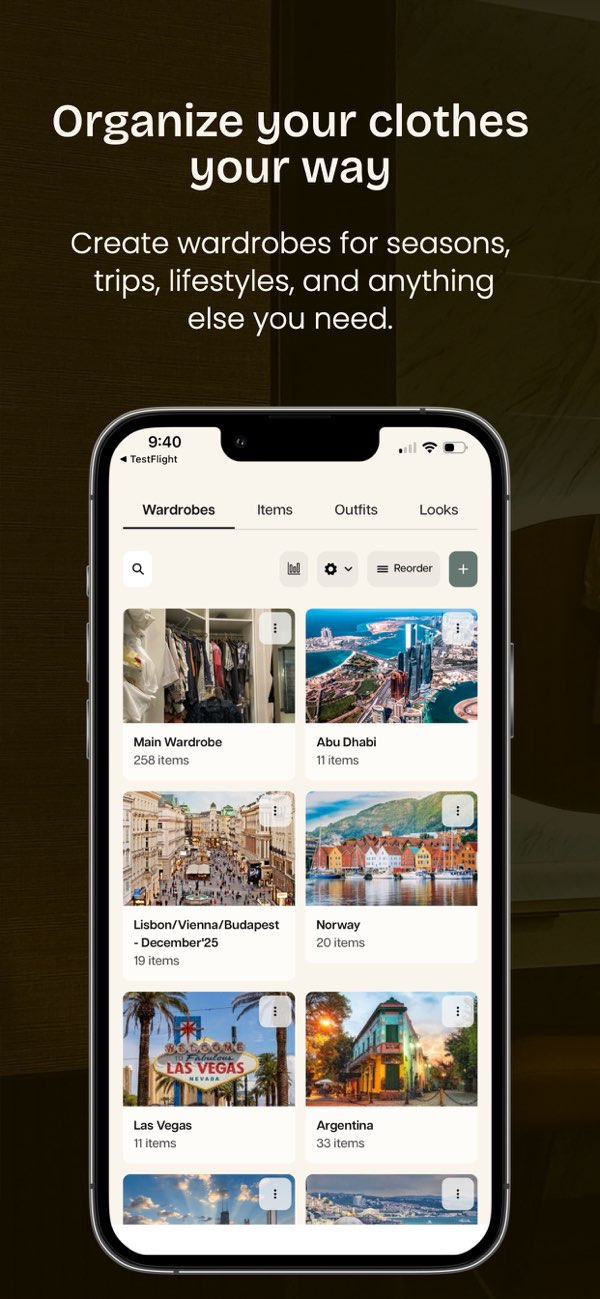
Overview: OpenWardrobe is useful if tracking outfits is only part of a bigger wardrobe strategy. It combines saved looks, wardrobe insights, AI suggestions, and value-tracking logic. That makes it interesting for users who do not just want to remember what they wore, but also understand whether their wardrobe is becoming more efficient.
Key features:
- saved looks and outfit planning
- LolaAI suggestions based on your wardrobe
- calendar-style use and wardrobe insights
- cost-per-wear and resale logic
- closet intelligence tied to shopping restraint
Pros:
- strong for users who want outfit tracking plus wardrobe intelligence
- helpful if you care about value, resale, and longer-term use
- more strategic than a pure diary app
Cons:
- pricing is less transparent than some alternatives
- best experience depends on a fairly complete wardrobe setup
Pricing: free to start; premium access varies by membership and add-ons.
Best for: users who want a wardrobe tracker app tied to broader closet intelligence.
7. Indyx
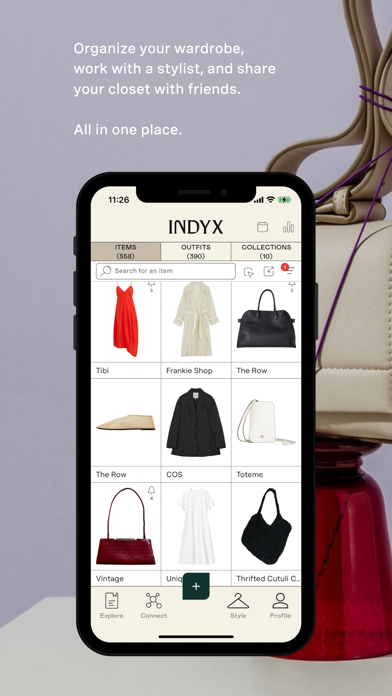
Overview: Indyx earns a place here because it supports logging and planning inside a more elevated wardrobe workflow. The app gives you a digital closet, saved outfits, outfit boards, cost-per-wear tracking, and optional human stylist support. It is not the simplest tracker, but it is strong for users who want more from their outfit history than a passive archive.
Key features:
- digital wardrobe and saved looks
- drag-and-drop outfit boards
- AI-assisted cataloging
- cost-per-wear and closet sharing
- optional human stylist services
Pros:
- good hybrid of tracking, wardrobe structure, and premium support
- useful for users with larger wardrobes or more curated style habits
- strong if you want more polish than basic logging apps provide
Cons:
- less instant and lightweight than simpler tracker apps
- best value leans toward more involved wardrobe users
Pricing: free to start; membership is currently listed at $12.99/month or $74.99/year.
Best for: users who want an outfit log app with more premium wardrobe support around it.
Which Outfit Tracker App Is Best for You?
The right choice depends on what you want the tracking to do after the outfit is logged.
- If you want the best all-around outfit tracker app: choose Beauty AI.
- If you want the best free outfit diary app: choose Whering.
- If you want AI support plus wardrobe tracking: choose Acloset.
- If you want a classic outfit calendar app: choose Stylebook.
- If you want more planner-driven outfit tracking: choose GetWardrobe.
- If you want tracking plus wardrobe analytics: choose OpenWardrobe.
- If you want a more premium wardrobe workflow: choose Indyx.
The practical rule is simple. If you only need memory, almost any tracker will do. If you want better future outfits because of what you track, you need the app that turns history into action.
Why Outfit Tracking Matters More Than It Sounds
Outfit tracking sounds simple, but it becomes powerful when it reveals patterns you would otherwise miss. It shows whether you are really using your wardrobe, whether your best looks repeat, whether a recent purchase actually got integrated, and whether your style decisions are improving over time. That is why the category is becoming more commercially interesting: the user is not looking for entertainment. The user is looking for a repeatable personal system.
That also means the best outfit tracker apps are increasingly overlapping with digital wardrobe apps, planner apps, and AI stylist tools. The strongest products do not treat tracking as a dead archive. They treat it as evidence.
Final Verdict
If you are looking for the best outfit tracker app, Beauty AI is the strongest overall choice because it turns outfit history into something genuinely useful: feedback, planning, wardrobe clarity, and better repeat looks. Whering is the best free starting point. Acloset is strong if you want more AI inside the tracking workflow. Stylebook is still excellent for classic outfit calendar tracking. GetWardrobe is a solid structured planner-tracker. OpenWardrobe stands out for wardrobe intelligence. Indyx is the strongest premium hybrid.
If your goal is to stop forgetting good looks and start building a more consistent style system, start with Beauty AI. Visit the outfit generator page, the digital wardrobe page, and the what to wear AI guide, then use the app to turn your outfit history into better future decisions.


